The 30-Minute Exercise Rule Your Parents Taught You Has Zero Scientific Backing
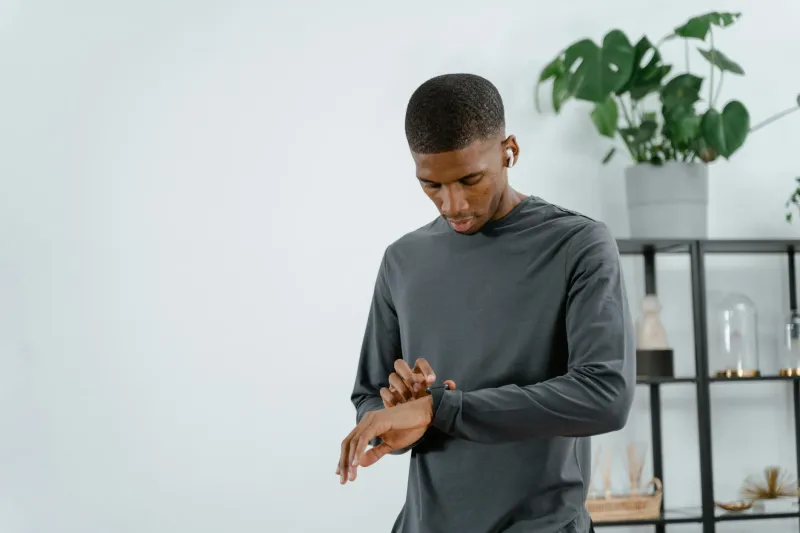
Walk into any American household and mention exercising right after dinner, and someone will inevitably warn you: "Wait at least 30 minutes, or you'll get cramps!" This rule has been passed down through generations like gospel truth, repeated by parents, coaches, and camp counselors across the country.
The problem? Sports scientists have been scratching their heads about this one for decades.
The Mystery of the Missing Evidence
When researchers began systematically studying exercise timing and digestion in the 1980s and 1990s, they expected to find clear evidence supporting the 30-minute rule. Instead, they found something surprising: the rule appeared to exist in a scientific vacuum.
Dr. Timothy Noakes, a sports medicine researcher at the University of Cape Town, spent years investigating exercise-related cramping and found that stomach cramps during exercise were rarely linked to meal timing. Most cramping, he discovered, was caused by muscle fatigue, dehydration, or electrolyte imbalances—not recent food consumption.
Studies on endurance athletes revealed even more puzzling results. Marathon runners and cyclists who ate during long training sessions experienced fewer digestive issues than expected. Some athletes actually performed better when they consumed small amounts of food before or during exercise.
Where Did the 30-Minute Rule Come From?
The origins of this rule seem to trace back to early 20th-century swimming safety guidelines, but even those weren't based on rigorous testing. The American Red Cross and similar organizations promoted waiting periods before swimming, primarily concerned about drowning risks rather than cramping.
Somewhere along the way, this swimming-specific advice morphed into a universal exercise rule. The specific "30 minutes" timeframe appears to have been chosen somewhat arbitrarily—long enough to sound medically prudent, but short enough to be practical.
Physiologist Dr. Nancy Clark, who has studied sports nutrition for over three decades, believes the rule persisted because it seemed logical. "People assumed that if your body is busy digesting food, it can't handle exercise too," she explains. "But human physiology is far more adaptable than that simple explanation suggests."
What Actually Happens When You Exercise After Eating
Your body doesn't shut down other functions when digesting food. Instead, it performs a complex balancing act, redirecting blood flow based on immediate needs.
When you eat, blood flow increases to your digestive system. When you exercise, blood flow increases to your muscles. Do these two processes conflict? Sometimes, but not in the dramatic way the 30-minute rule suggests.
Light to moderate exercise—like walking, gentle cycling, or basic strength training—rarely causes problems even immediately after eating. Your body simply adjusts blood flow distribution accordingly.
Intense exercise is different. Sprinting or heavy weightlifting right after a large meal can cause nausea or discomfort, but this isn't dangerous—just unpleasant. And the timing varies dramatically based on what and how much you ate.
The Real Variables That Matter
Modern sports science has identified factors that actually influence post-meal exercise comfort:
Meal size and composition: A light snack affects you differently than a full Thanksgiving dinner. High-fat and high-fiber foods take more energy to digest than simple carbohydrates.
Exercise intensity: A leisurely walk after dinner can actually aid digestion, while high-intensity interval training might feel uncomfortable regardless of timing.
Individual differences: Some people have sensitive stomachs; others can eat pizza and immediately run a 5K without issues.
Hydration status: Dehydration causes more exercise problems than meal timing ever will.
Why the Myth Survives
The 30-minute rule persists because it's simple, seems logical, and isn't harmful. Following it won't hurt you—it just might not be necessary.
Parents continue teaching it because they learned it from their parents. Coaches repeat it because it sounds professional and cautious. The rule has become cultural wisdom, passed down through generations despite its shaky scientific foundation.
There's also a psychological component: if someone exercises after eating and feels uncomfortable, they assume the timing was wrong. They rarely consider other factors like exercise intensity, hydration, or meal composition.
The Actually True Approach
Instead of watching the clock, pay attention to your body. If you feel comfortable exercising after eating, you probably are. If you feel sluggish or nauseous, wait a bit longer or choose gentler activities.
For competitive athletes, timing becomes more important—but even then, the "rules" are highly individual. Many endurance athletes eat small amounts during long training sessions without problems.
The takeaway isn't that the 30-minute rule is dangerous—it's that it's unnecessarily rigid. Your body is remarkably good at managing multiple tasks simultaneously, including digestion and exercise.
The Bottom Line
The next time someone warns you about exercising too soon after eating, you can share an interesting fact: this widely believed rule has almost no scientific backing. It's not wrong to follow it, but it's not medically necessary either.
Your body's signals are more reliable than any arbitrary time limit. Listen to them instead of the clock.