Actually True Today What you think you know might surprise you.

Actually True Today

What you think you know might surprise you.


Latest Articles

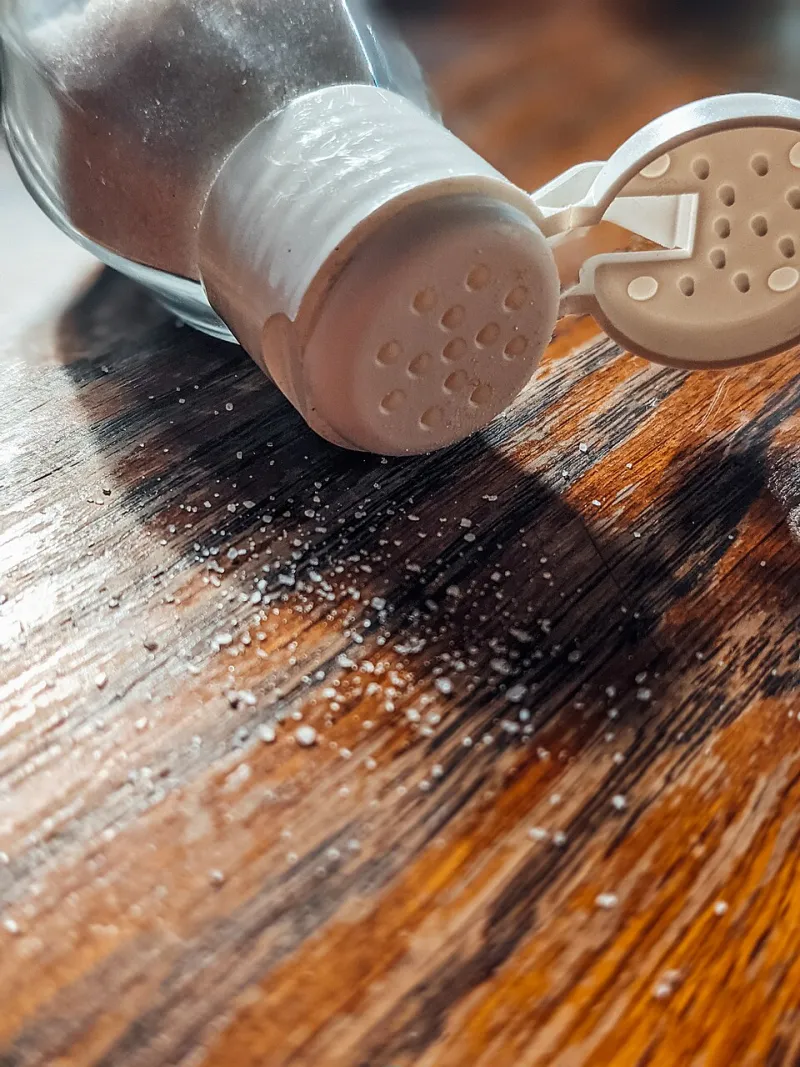
The Low-Sodium Advice Americans Have Followed for 50 Years Was Never Tested on Healthy People at Scale
Health & Wellness

The Low-Sodium Advice Americans Have Followed for 50 Years Was Never Tested on Healthy People at Scale

Cutting back on salt has been standard American health advice for half a century. But the research behind the blanket recommendation is far narrower than most people realize — and newer studies are complicating the picture considerably.

Intuitive Eating Sounds Like Common Sense — Until You See What the Food Industry Did to Your Hunger Signals
Health & Wellness

Intuitive Eating Sounds Like Common Sense — Until You See What the Food Industry Did to Your Hunger Signals

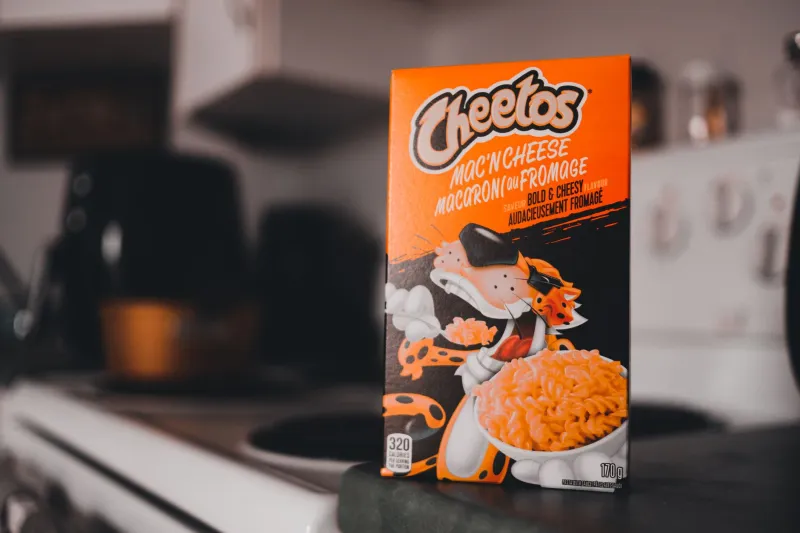
The advice to 'eat when you're hungry, stop when you're full' sounds simple and sensible. But decades of food engineering have quietly rewritten the rules of appetite — and most nutrition advice still pretends that never happened.

The 10,000 Steps Rule Came From a Japanese Pedometer Ad — Not a Doctor's Office
Health & Wellness

The 10,000 Steps Rule Came From a Japanese Pedometer Ad — Not a Doctor's Office

Millions of Americans chase a daily step count that was invented to sell a fitness gadget in 1960s Japan. The number was never based on clinical research — and what movement science actually recommends looks pretty different.

Self-Help Culture Tells You to Trust Your Body — But Your Body's Signals Are Older Than the Problems They're Trying to Solve
Tech & Culture

Self-Help Culture Tells You to Trust Your Body — But Your Body's Signals Are Older Than the Problems They're Trying to Solve

"Listen to your body" has become one of the most repeated pieces of wellness advice in American culture. It sounds deeply intuitive — and it is. The trouble is that the body doing the signaling evolved for a world that no longer exists, and its hunger, pain, and stress cues weren't exactly designed for modern life. Here's when your body's messages are worth trusting and when they need a second opinion.

Carbs Became the Villain of American Eating — But the Science That Was Supposed to Prove It Never Quite Did
Health & Wellness

Carbs Became the Villain of American Eating — But the Science That Was Supposed to Prove It Never Quite Did

Low-carb diets have dominated American food culture for decades, backed by what most people assume is a mountain of clear nutritional science. The actual research trail is messier, more contested, and far more interesting than that. One flawed study, a lot of media simplification, and a few decades of diet-book publishing turned an entire macronutrient into a public health villain.

Drinking More Water Won't Give You Better Skin — Your Body Has Already Decided Where That Water Goes
Health & Wellness

Drinking More Water Won't Give You Better Skin — Your Body Has Already Decided Where That Water Goes

The wellness world has been pushing the 'hydrate for glowing skin' message for years, but dermatologists quietly point out that chugging extra water doesn't actually reach your skin cells the way people assume. Your body has a tightly controlled water distribution system, and your face is pretty low on its priority list. Here's what actually keeps skin hydrated.

Science Never Actually Told You to Sleep Eight Hours — So Where Did That Number Come From?
Health & Wellness

Science Never Actually Told You to Sleep Eight Hours — So Where Did That Number Come From?

The eight-hour sleep rule feels like settled science, but it was never really based on rigorous sleep research. Modern sleep scientists say the 'right' amount is far more personal — and chasing a number that doesn't fit your biology might be doing more harm than good.

The 'Freshman 15' Has Scared College Students for Decades — The Actual Weight Gain Numbers Tell a Very Different Story
Tech & Culture

The 'Freshman 15' Has Scared College Students for Decades — The Actual Weight Gain Numbers Tell a Very Different Story

The Freshman 15 is one of those cultural facts that almost everyone accepts without questioning — but studies consistently show the average first-year weight gain is closer to three or four pounds. This article traces where the myth came from, why it stuck, and what it's actually done to how students think about their bodies.

Stretching Before a Workout Has Been Gym Gospel for Decades — Athletes and Therapists Have Quietly Moved On
Health & Wellness

Stretching Before a Workout Has Been Gym Gospel for Decades — Athletes and Therapists Have Quietly Moved On

Touching your toes before a run or holding a quad stretch before leg day feels like responsible fitness — but exercise scientists have been raising questions about pre-workout static stretching for years. The real story involves a meaningful distinction that gym culture has been slow to absorb.

The Running World Spent a Decade Calling Heel Striking a Mistake — Elite Athletes Had Other Ideas
Tech & Culture

The Running World Spent a Decade Calling Heel Striking a Mistake — Elite Athletes Had Other Ideas

Minimalist shoes, gait clinics, and forefoot-strike coaching turned into a booming industry on the premise that the way most people naturally run was biomechanically broken. Then researchers started filming elite distance runners in competition — and the results complicated the whole story considerably.

Millions of Americans Became 'Hypertensive' in a Single Afternoon — Without Anything Changing in Their Bodies
Health & Wellness

Millions of Americans Became 'Hypertensive' in a Single Afternoon — Without Anything Changing in Their Bodies

In 2017, major cardiology organizations rewrote the definition of high blood pressure, and roughly 31 million Americans were reclassified as hypertensive overnight. Their health hadn't changed — but their diagnosis had. The story behind that shift is more complicated than any press release let on.

Every Depression Screening Tool Asks About the Same Two Weeks — That Timeframe Has a Surprisingly Thin Scientific Backstory
Health & Wellness

Every Depression Screening Tool Asks About the Same Two Weeks — That Timeframe Has a Surprisingly Thin Scientific Backstory

If you've ever filled out a depression questionnaire at a doctor's office, you've seen the phrase 'over the last two weeks.' That specific window is baked into virtually every clinical screening tool used in the US. But the story of where those two weeks came from is far less scientific than most patients — or even most clinicians — realize.

Thirst Feels Like a Warning — But Your Body Already Waited Too Long to Send It
Health & Wellness

Thirst Feels Like a Warning — But Your Body Already Waited Too Long to Send It

Most of us treat thirst as the body's built-in hydration alarm, but exercise physiologists have known for decades that by the time you feel thirsty, dehydration has already started doing its work. The signal evolved for survival in a very different world — and modern life has made it even less dependable.

The Afternoon Energy Crash Feels Like a Blood Sugar Problem — Your Brain Has a Completely Different Explanation
Health & Wellness

The Afternoon Energy Crash Feels Like a Blood Sugar Problem — Your Brain Has a Completely Different Explanation

The sugar crash has been explained as a simple spike-and-drop in blood glucose for so long that almost nobody questions it. But neuroscience tells a more interesting story — one that involves your brain's reward system, not your pancreas. Understanding what's actually happening makes the fix a lot clearer.

PE Teachers Swore by Pre-Workout Stretching for Decades — Then Sports Scientists Looked at the Studies More Carefully
Tech & Culture

PE Teachers Swore by Pre-Workout Stretching for Decades — Then Sports Scientists Looked at the Studies More Carefully

Stretching before a workout became one of the most universal pieces of fitness advice in American gym culture — taught in schools, printed on posters, and repeated by coaches for generations. Then researchers started running controlled studies and found that the conventional wisdom had been based on almost no real evidence at all.

The 'Sitting Is the New Smoking' Headline Spread Everywhere — The Actual Research Said Something More Complicated
Health & Wellness

The 'Sitting Is the New Smoking' Headline Spread Everywhere — The Actual Research Said Something More Complicated

The phrase 'sitting is the new smoking' launched a standing desk revolution and became one of the most repeated health warnings of the past decade. But the research behind that claim was far more nuanced than the headline version — and movement scientists say the real story is both less alarming and more actionable than most people realize.

Hot Tea and Chicken Soup Feel Like Medicine — But What Does the Science Actually Say?
Health & Wellness

Hot Tea and Chicken Soup Feel Like Medicine — But What Does the Science Actually Say?

Generations of Americans have reached for steaming bowls of soup and hot mugs of tea the moment a cold hits. The comfort is real — but the medical evidence behind why warm liquids help, or even whether they meaningfully speed recovery, is a lot thinner than grandma's recipe suggests.

The Beauty Industry Convinced America That Skin Needs a 'Day Off' From Makeup — Dermatologists Disagree
Health & Wellness

The Beauty Industry Convinced America That Skin Needs a 'Day Off' From Makeup — Dermatologists Disagree

The idea that skin needs regular breaks from foundation and concealer to 'breathe' and recover has been a staple of beauty advice for decades. But dermatologists say the premise rests on a misunderstanding of how skin actually works — and the real conversation about makeup and skin health is both more specific and less dramatic than the wellness industry wants you to think.

Your Late-Night Junk Food Cravings Aren't a Willpower Problem — Your Sleep-Deprived Brain Is Running a Different Program
Health & Wellness

Your Late-Night Junk Food Cravings Aren't a Willpower Problem — Your Sleep-Deprived Brain Is Running a Different Program

Blaming yourself for reaching for chips or fast food after a rough night of sleep is a very human response — but it's also scientifically off-base. Sleep research has identified specific hormonal shifts that occur after even one bad night, and they're designed to make high-calorie food genuinely harder to resist.

The Calorie Number on Your Food Label Is a Legal Estimate — And the Real Math Is Far Messier Than That
Health & Wellness

The Calorie Number on Your Food Label Is a Legal Estimate — And the Real Math Is Far Messier Than That

Most of us treat the calorie count on a nutrition label like a precise measurement from a lab. It isn't. The FDA legally permits a 20% margin of error — and that's before you factor in how differently your body actually processes the same food compared to someone else's.