The Beauty Industry Convinced America That Skin Needs a 'Day Off' From Makeup — Dermatologists Disagree
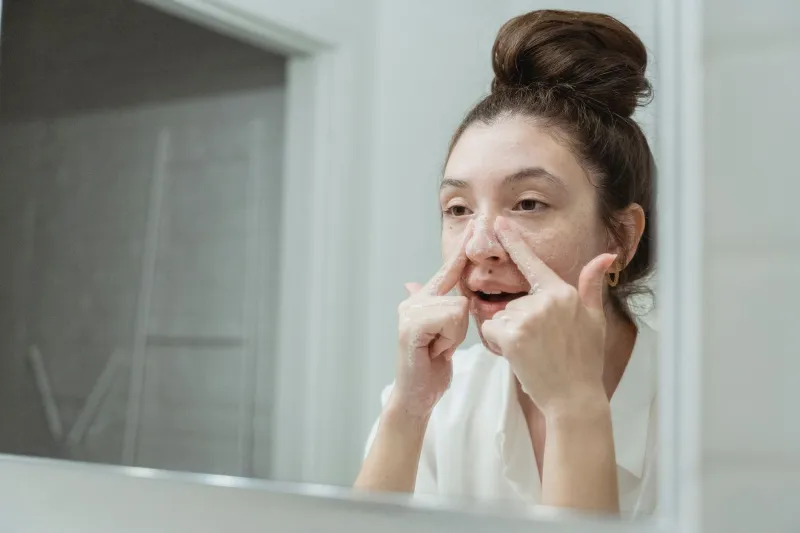
The Advice That Comes With Every Beauty Routine
At some point, most American women — and a growing number of men — have encountered some version of this advice: give your skin a day off. Let it breathe. Go makeup-free on weekends so your pores can recover. The framing varies, but the underlying assumption is consistent: wearing makeup is something your skin needs a break from, the way your legs need rest after a long run.
It's the kind of advice that sounds so intuitive it rarely gets questioned. Of course skin needs to breathe. Of course pores need to open up. Of course a face covered in product all week needs recovery time.
Except dermatologists will tell you that skin doesn't actually breathe the way this advice implies — and the concept of a 'makeup detox' is built on a biological misunderstanding that the beauty industry has been quietly happy to leave uncorrected.
How Skin Actually Works
Here's the basic biology: your skin gets its oxygen from your bloodstream, not from the air around you. The outermost layer of skin — the stratum corneum — is made up of dead cells. It functions as a barrier, not as a respiratory surface. The idea that skin 'breathes' through its exterior the way lungs breathe is simply not how human physiology works.
Dermatologists are pretty consistent on this point. The skin doesn't need air access from the outside to function. Covering your face with foundation for eight hours doesn't deprive it of oxygen any more than wearing a long-sleeve shirt deprives your arm of air.
So where did the 'breathing' language come from?
Mostly from cosmetic marketing, which borrowed loose biological terminology and used it in ways that sounded scientific without being accurate. Phrases like 'let your skin breathe' and 'pore-clogging' became standard beauty vocabulary in the mid-20th century, when the modern cosmetics industry was expanding rapidly and needed a language of skin health to sell both the products that covered skin and the products that promised to restore it afterward. The cycle was — and still is — commercially convenient.
The Pore Problem
The 'clogged pores' piece of this conversation is where things get slightly more complicated, because it's not entirely wrong — it's just applied incorrectly.
Pores don't open and close in response to temperature or air exposure, despite what countless steaming and toning routines have implied. What they do is accumulate sebum, dead skin cells, and, yes, certain cosmetic ingredients that can contribute to congestion if not properly removed. This is a real thing. But it's a cleansing issue, not a wearing makeup issue.
The actual dermatological concern isn't that skin is covered during the day — it's whether makeup is thoroughly removed at night and whether the products being used contain ingredients that are genuinely comedogenic (pore-clogging) for a particular person's skin type.
According to board-certified dermatologists, sleeping in makeup is a legitimate problem: it prevents the normal cell turnover that happens overnight, can trap environmental pollutants against the skin, and contributes to congestion over time. But that's an argument for washing your face before bed — not for spending Sunday bare-faced as a form of skin recovery.
Where the Wellness Industry Comes In
The 'makeup-free day' concept gained particular momentum during the clean beauty and wellness boom of the 2010s, when the idea of detoxing from everyday products became a cultural obsession across food, fitness, and beauty simultaneously.
The logic was consistent with the era's broader narrative: modern life is toxic, products are suspect, and periodic purges restore balance. It made intuitive sense, it aligned with a broader wellness identity, and it was extremely easy to market around. 'Rest' days, digital detoxes, juice cleanses — the makeup-free day fit neatly into the same framework.
Beauty brands played both sides skillfully. The same companies selling full-coverage foundations also sold 'skin recovery' serums and 'barrier repair' creams with copy that implied your skin needed rehabilitation from daily product use. The advice to go makeup-free occasionally didn't hurt sales — it created a whole second category of products to fill the gap.
What Skin Actually Needs
Dermatologists aren't saying makeup is harmless for everyone. There are legitimate skin concerns connected to cosmetic use — they're just more specific than the 'let it breathe' framing suggests.
Fragrances in makeup products are among the most common causes of contact dermatitis. Certain emollients and oils are genuinely comedogenic for acne-prone skin types. Heavy, occlusive products worn during exercise can contribute to breakouts. These are real issues, and they vary significantly from person to person.
But the solution to those problems isn't a weekly makeup holiday — it's identifying the specific ingredients causing a reaction, choosing non-comedogenic formulations if acne is a concern, and, most importantly, removing makeup thoroughly and consistently before sleep.
Skin health is also significantly more influenced by factors that have nothing to do with foundation: sun exposure, hydration, diet, sleep quality, and the use of evidence-backed topical ingredients like retinoids and antioxidants. A dermatologist would rank all of those well above 'wear less makeup on Sundays' as meaningful interventions.
The Part That's Actually Worth Keeping
None of this means going makeup-free is a bad idea. For some people, it genuinely feels better — less time in the morning, more comfort, fewer products touching irritated skin. Those are valid reasons to skip foundation on a given day.
And if someone notices that their skin consistently looks clearer on days they don't wear certain products, that's real information worth paying attention to. It might point to a specific ingredient worth investigating, not a general need for skin recovery.
The honest takeaway is this: your skin doesn't need a day off from makeup the way your muscles need rest after a workout. But it does need to be cleaned properly, protected from sun damage, and kept away from ingredients that don't agree with it. That's less poetic than 'let your skin breathe' — but it's what the biology actually supports.