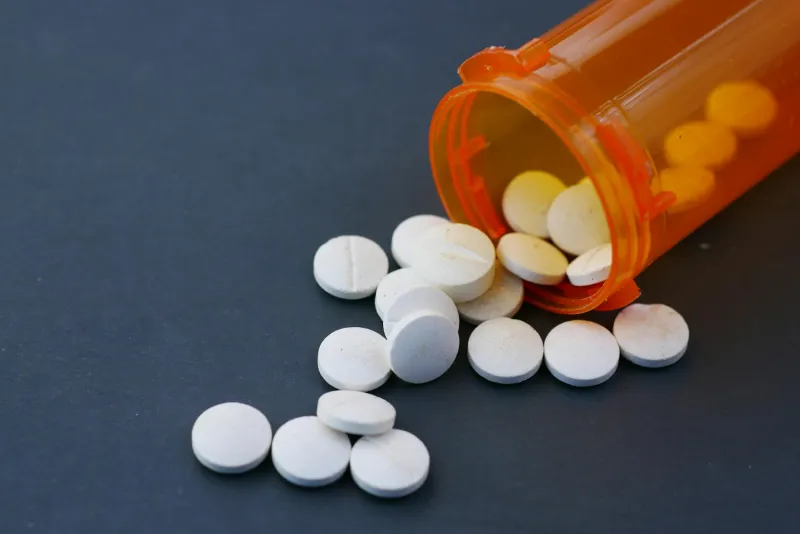
If you've ever taken antibiotics, you've heard the lecture: take every single pill, even if you feel better, or you'll create antibiotic-resistant bacteria that could kill you and others. This warning has been drilled into patients for so long that questioning it feels almost heretical.
But a growing number of researchers are doing exactly that.
In 2017, a group of prominent British infectious disease specialists published a controversial editorial in the British Medical Journal arguing that the "complete the course" rule might be wrong — and potentially harmful.
Where the 'Finish Everything' Rule Came From
The advice to complete antibiotic courses traces back to Alexander Fleming himself, the scientist who discovered penicillin. In his 1945 Nobel Prize acceptance speech, Fleming warned that taking too little penicillin could lead to resistant bacteria.
But Fleming was talking about taking insufficient doses from the start, not about stopping early when symptoms resolve. The idea that stopping antibiotics as soon as you feel better would create resistance became medical dogma without ever being rigorously tested.
Dr. Martin Llewelyn, an infectious diseases professor at Brighton and Sussex Medical School and lead author of the BMJ editorial, explains: "The idea that stopping antibiotic treatment early encourages antibiotic resistance is not supported by evidence, while taking antibiotics for longer than necessary increases the risk of resistance."
What the New Research Actually Shows
Multiple studies have begun challenging the traditional approach:
A 2018 study of children with pneumonia found that those who received shorter antibiotic courses (3 days instead of 7-10) had identical cure rates with fewer side effects.
Research on urinary tract infections has shown that shorter courses often work just as well as longer ones, with less disruption to beneficial bacteria.
A major 2019 review in Clinical Microbiology and Infection found that shorter antibiotic courses were effective for many common infections while reducing the risk of resistance.
The key insight driving this research: antibiotic resistance often develops not from stopping too early, but from taking antibiotics too long, which gives resistant bacteria more time to multiply while beneficial bacteria are wiped out.
The Resistance Problem We Actually Face
The Centers for Disease Control estimates that antibiotic-resistant bacteria cause over 2.8 million infections and 35,000 deaths annually in the United States. But the primary driver isn't patients stopping treatment early — it's the massive overuse of antibiotics in both human medicine and agriculture.
Consider this: about 30% of antibiotic prescriptions in outpatient settings are unnecessary, according to the CDC. We're giving antibiotics for viral infections that don't respond to them, prescribing them "just in case," and using them preventively in ways that create perfect breeding grounds for resistant bacteria.
Meanwhile, livestock consume roughly 80% of all antibiotics sold in the United States, often as growth promoters rather than to treat disease.
Why This Isn't Medical Advice
Before anyone throws away half-finished antibiotic bottles: this research doesn't mean you should start making your own decisions about when to stop treatment.
The scientists advocating for shorter courses aren't suggesting patients should stop whenever they feel like it. They're calling for doctors to prescribe more precisely — giving shorter courses when evidence supports them, rather than defaulting to longer "just to be safe."
Dr. Brad Spellberg, an infectious diseases specialist at USC, emphasizes this point: "The message is not that patients should stop taking antibiotics when they feel better. The message is that doctors should prescribe antibiotics for the shortest effective duration."
What's Changing in Medical Practice
Some medical institutions have already begun updating their guidelines. The Infectious Diseases Society of America now recommends shorter antibiotic courses for several conditions, including community-acquired pneumonia and skin infections.
Hospitals are implementing "antibiotic stewardship" programs that monitor prescribing patterns and encourage doctors to use the shortest effective treatment duration.
The concept of "biomarker-guided therapy" is gaining traction — using blood tests to determine when infections have cleared rather than relying on arbitrary time periods.
The Nuanced Reality
The truth about antibiotic duration turns out to be more complex than either "always finish" or "stop when you feel better." The optimal length depends on:
- The specific infection and its severity
- The antibiotic being used
- The patient's immune system status
- Whether symptoms have completely resolved
- Results of follow-up tests when available
Some serious infections — like tuberculosis, bone infections, or endocarditis — still require long treatment courses. But many common bacterial infections may need less treatment than we traditionally thought.
Having the Conversation
The next time you're prescribed antibiotics, consider asking your doctor:
- How long do I need to take these, and why?
- What symptoms should I watch for to know the infection is clearing?
- Should I schedule a follow-up to reassess?
This isn't about second-guessing medical advice — it's about having an informed conversation based on current evidence rather than decades-old assumptions.
The "finish every pill" rule served medicine well when we knew less about antibiotic resistance. But as our understanding evolves, so should our approach to treatment. Sometimes the best way to fight superbugs isn't taking more antibiotics — it's taking exactly the right amount.