The 'Bulky' Warning That Kept Women Away From Weights Has No Basis in Biology
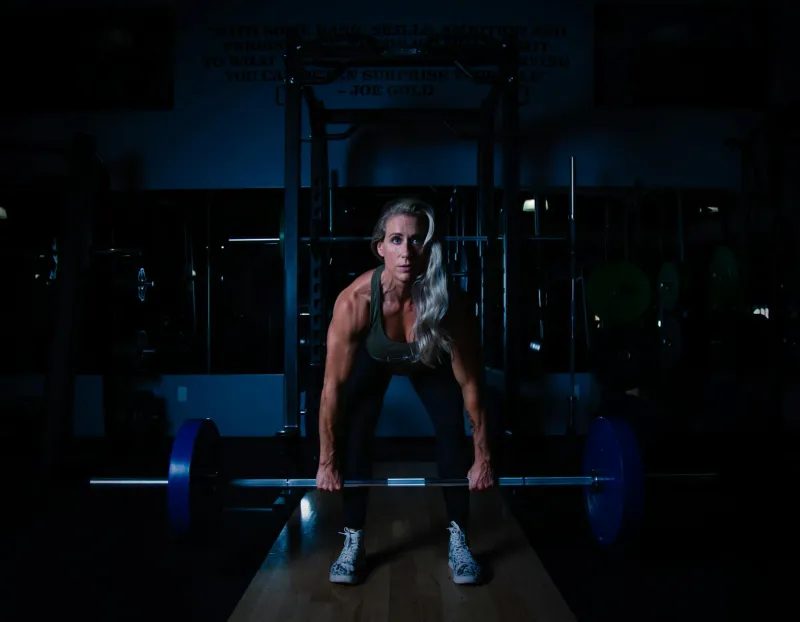
Walk into any gym today and you'll still hear it: women whispering concerns about getting "too bulky" from lifting weights. This fear runs so deep that entire fitness industries have built their business models around it—think barre classes, light dumbbells, and endless cardio sessions marketed specifically to women.
But here's what's actually true: the biological reality of how women build muscle makes the "bulky" outcome nearly impossible for the vast majority of women, even with dedicated strength training.
Where the Bulky Myth Began
The fear of women becoming muscular didn't emerge from scientific observation—it came from cultural anxieties about femininity in the mid-20th century. As women entered the workforce during World War II, traditional gender roles were already shifting. The idea that physical strength might somehow masculinize women became a way to maintain social boundaries.
Early fitness advice for women, popularized in magazines like Good Housekeeping and Ladies' Home Journal in the 1950s and 60s, consistently steered women toward "toning" exercises with light weights and high repetitions. The message was clear: women should be fit, but not strong. Flexible, but not powerful.
Doctors and fitness professionals of the era rarely questioned these recommendations because they aligned with prevailing social expectations. Women's bodies were viewed as fundamentally different—not just in obvious ways, but in their very capacity for strength and muscle development.
The Hormonal Reality
The science tells a completely different story. Women have roughly one-tenth to one-twentieth the testosterone levels of men. Testosterone is the primary hormone responsible for significant muscle growth, which means women's bodies are biologically limited in how much muscle mass they can build.
When women do strength training, they primarily experience what exercise physiologists call "myofibrillar adaptation"—their existing muscle fibers become more efficient and slightly denser, but they don't dramatically increase in size. The "toned" look that many women seek actually comes from building lean muscle while reducing body fat, which is exactly what happens with consistent resistance training.
The few women who do develop substantial muscle mass typically have genetic advantages (higher natural testosterone, specific muscle fiber types) and train with the specific goal of maximizing muscle growth through progressive overload, specialized nutrition, and often years of dedicated effort.
How the Fitness Industry Kept the Myth Alive
Here's where the story gets more complicated: the fitness industry discovered that the "bulky" fear was incredibly profitable. Classes focused on light weights, high repetitions, and "lengthening" muscles could be marketed as feminine alternatives to traditional strength training.
Barre studios, for example, often promote the idea that their method creates "long, lean muscles" rather than bulk. From a physiological standpoint, this is meaningless—you can't change the length of your muscles through exercise, and "lean" simply means having less body fat covering the muscle.
Similarly, the popularity of 3-pound dumbbells and resistance bands allowed gyms to create women-only sections filled with equipment that felt non-intimidating but provided minimal strength-building stimulus. These approaches weren't necessarily harmful, but they perpetuated the idea that women needed fundamentally different exercise than men.
What Strength Training Actually Does for Women
The real effects of resistance training for women are far more impressive than the mythical "bulk" outcome:
Bone Density: Weight-bearing exercise is one of the most effective ways to prevent osteoporosis. Women who strength train regularly maintain bone density much better as they age, reducing fracture risk significantly.
Metabolic Benefits: Muscle tissue burns more calories at rest than fat tissue. Women who build lean muscle through strength training often find it easier to maintain healthy body weight throughout their lives.
Functional Strength: The ability to carry groceries, lift children, or move furniture doesn't just improve quality of life—it becomes crucial for maintaining independence as we age.
Cardiovascular Health: Recent research shows that resistance training provides cardiovascular benefits comparable to aerobic exercise, particularly for reducing blood pressure and improving heart health markers.
Why the Advice Is Finally Changing
Social media has played an unexpected role in debunking the bulky myth. Female athletes, powerlifters, and fitness enthusiasts now share their strength training journeys openly, showing real women achieving impressive strength gains while maintaining feminine physiques.
More importantly, medical organizations have begun emphasizing strength training in their exercise guidelines for women. The American Heart Association now recommends at least two days of muscle-strengthening activities per week for all adults, with no gender distinctions.
Exercise science has also evolved beyond the simplistic "cardio for women, weights for men" mentality that dominated fitness advice for decades. Research consistently shows that women respond to strength training just as well as men—they build strength efficiently, recover effectively, and experience significant health benefits.
The Real Takeaway
The "bulky" warning that kept generations of women away from weights wasn't based on biology—it was based on outdated ideas about what women's bodies should look like and what they should be capable of.
Today's exercise science is clear: most women cannot build significant muscle bulk even if they try, and the strength, bone density, and metabolic benefits of resistance training are too important to ignore based on an unfounded fear.
The fitness industry is slowly catching up to this reality, but the myth persists in gym conversations and fitness marketing. Understanding the science behind muscle development can help women make informed decisions about their exercise routines—decisions based on what their bodies actually need, not what society once told them to fear.