Scroll through wellness social media today, and you'll find countless testimonials about the life-changing power of cold showers. Advocates claim they cure depression, boost metabolism, enhance athletic recovery, and strengthen the immune system. The practice feels cutting-edge, backed by biohackers and performance gurus.
But cold water therapy isn't new at all. In fact, it was mainstream medical treatment for over 200 years — and the long history of trying to prove its benefits reveals just how complicated the science really is.
When Cold Water Was Prescription Medicine
The medical establishment's love affair with cold water began in the early 1800s with practitioners like Vincenz Priessnitz, an Austrian farmer who developed elaborate cold water treatments at his mountain spa. Patients traveled across Europe to experience his "hydropathy" — a system of cold baths, wet wraps, and icy plunges designed to cure everything from tuberculosis to mental illness.
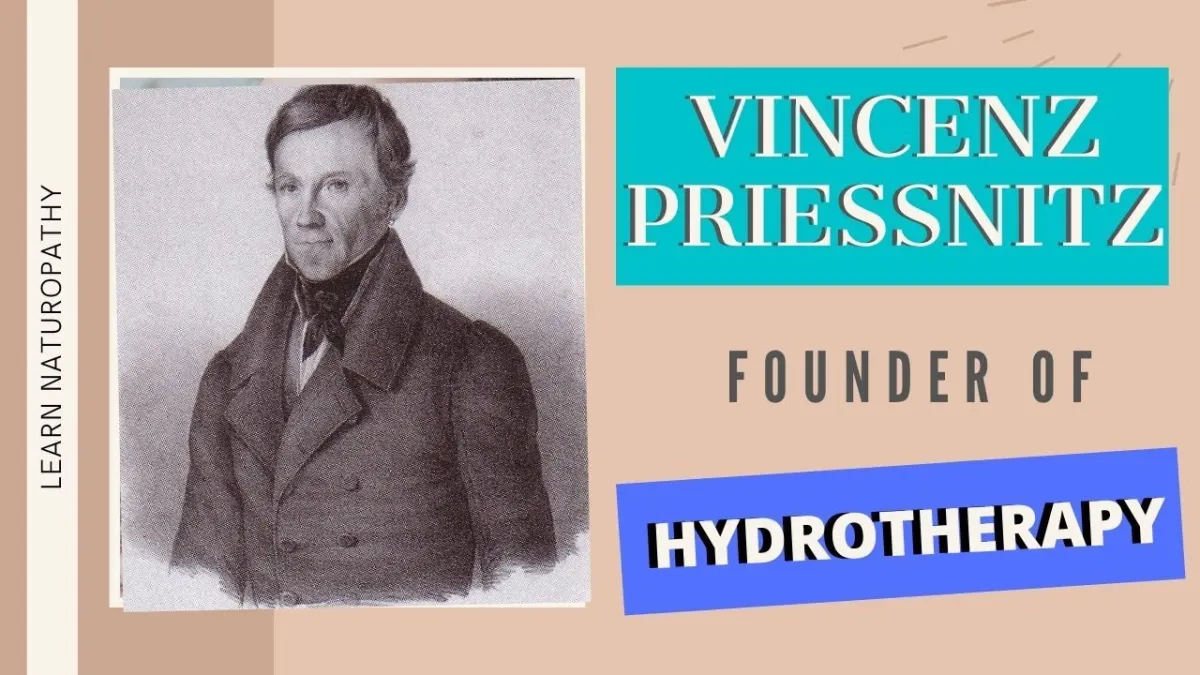 Photo: Vincenz Priessnitz, via i.ytimg.com
By the 1840s, cold water therapy had spread to America, where it became a respectable medical specialty. Hydrotherapy sanitariums opened across the country, staffed by licensed physicians who prescribed specific cold water protocols for different conditions.
The treatments were remarkably similar to today's cold exposure methods: cold baths lasting 2-15 minutes, alternating hot and cold applications, and gradual adaptation to increasingly frigid temperatures. Doctors documented detailed case studies and published their results in medical journals.
The therapeutic claims were equally ambitious. Victorian-era physicians used cold water to treat depression, anxiety, digestive disorders, circulatory problems, and chronic pain. They believed it could "shock" the nervous system back to health and improve circulation throughout the body.
The Rise and Fall of Medical Hydropathy
For decades, cold water therapy enjoyed genuine scientific credibility. Medical schools taught hydrotherapy techniques. Hospitals installed specialized cold water equipment. Insurance companies covered treatments at hydropathy clinics.
But as medical science became more rigorous in the early 20th century, cold water therapy began losing ground. Controlled studies were rare, and many of the dramatic cure claims couldn't be replicated under scientific conditions.
The discovery of antibiotics and other pharmaceutical interventions made cold water treatments seem primitive by comparison. By the 1950s, hydropathy had largely disappeared from mainstream medicine, relegated to alternative health practices and European spa culture.
What Modern Research Actually Shows
Today's cold shower enthusiasts often cite scientific studies to support their claims, but the research picture is far more nuanced than social media suggests.
Depression and Mental Health: Some small studies have found that cold water exposure can trigger the release of norepinephrine and other neurotransmitters associated with alertness and mood. However, the largest controlled trials show minimal long-term benefits for clinical depression compared to established treatments.
Athletic Recovery: Cold water immersion can reduce inflammation markers and perceived muscle soreness after intense exercise. But it may also interfere with the natural adaptation processes that make athletes stronger over time. Many sports scientists now recommend limiting cold exposure during training periods.
Immune Function: A few studies suggest that regular cold exposure might increase certain immune cell counts, but this doesn't necessarily translate to fewer illnesses. The most cited study — a Dutch trial where participants took cold showers for 30 days — found a small reduction in sick days, but the effect was modest and temporary.
Metabolism: Cold exposure does activate brown fat and increase calorie burning, but the effect is much smaller than advocates suggest. You'd need to spend hours in cold water daily to burn a meaningful number of additional calories.
Why the Evidence Remains Limited
Despite 200 years of interest, high-quality research on cold water therapy remains surprisingly scarce. There are several reasons for this:
Difficulty with Controls: It's nearly impossible to create a true placebo for cold water exposure. Participants always know whether they're getting the real treatment, which can skew results through expectation effects.
Individual Variation: People respond very differently to cold stress. Some adapt quickly and report benefits, while others experience only discomfort. This makes it hard to establish universal protocols or predict who might benefit.
Measurement Challenges: Many of the claimed benefits — like improved mood, better sleep, or enhanced mental clarity — are subjective and difficult to measure objectively in research settings.
Funding Limitations: Unlike pharmaceutical research, there's little financial incentive to fund large-scale studies of cold water therapy, since the intervention can't be patented or monetized.
The Pattern That Keeps Repeating
Perhaps the most striking aspect of cold water therapy's history is how the same cycle keeps repeating: initial enthusiasm, bold claims, widespread adoption, gradual skepticism, and eventual relegation to alternative medicine — only to resurface decades later with a new generation of believers.
This pattern suggests that cold water exposure produces real physiological effects that people can feel, but those effects may not be as therapeutically significant as they seem. The immediate response to cold stress — increased alertness, endorphin release, sense of accomplishment — can feel transformative, even if the long-term health benefits are modest.
The Social Media Amplification Effect
Today's cold shower movement has one advantage that previous generations lacked: social media amplification. Individual success stories can reach millions of people instantly, creating the impression of widespread scientific validation.
Influencers often cherry-pick studies that support their claims while ignoring research that shows minimal benefits. They present correlation as causation and use scientific-sounding language to make their personal experiences seem like universal truths.
This creates a feedback loop where people try cold showers, experience the immediate physiological effects, attribute any positive changes in their life to the practice, and then share their testimonials online to influence others.
What the Long View Teaches Us
The 200-year history of cold water therapy offers some important lessons for evaluating today's wellness trends:
Physiological effects don't always equal therapeutic benefits. Cold water clearly triggers measurable changes in the body, but those changes may not translate to meaningful health improvements for most people.
Personal experience can be misleading. The fact that something makes you feel better doesn't mean it's curing underlying health conditions or providing long-term benefits.
Scientific validation takes time. Even treatments that seem obviously beneficial can take decades of research to properly evaluate.
The Bottom Line on Cold Showers
Cold water therapy isn't harmful for most healthy people, and some individuals may genuinely benefit from the practice. If you enjoy cold showers and they make you feel better, there's no compelling reason to stop.
But it's worth approaching the more dramatic health claims with the same skepticism that eventually led medical science to abandon hydropathy as a cure-all. The human body is remarkably adaptable, but it's also remarkably good at making us think that whatever we're doing lately is the key to optimal health.
The real lesson from cold water therapy's long medical history might be this: be wary of any intervention that promises to solve multiple health problems with a single, simple practice. The human body — and human health — are usually more complicated than that.