The Eight Glasses a Day Rule Has No Science Behind It — Here's What Actually Keeps You Hydrated
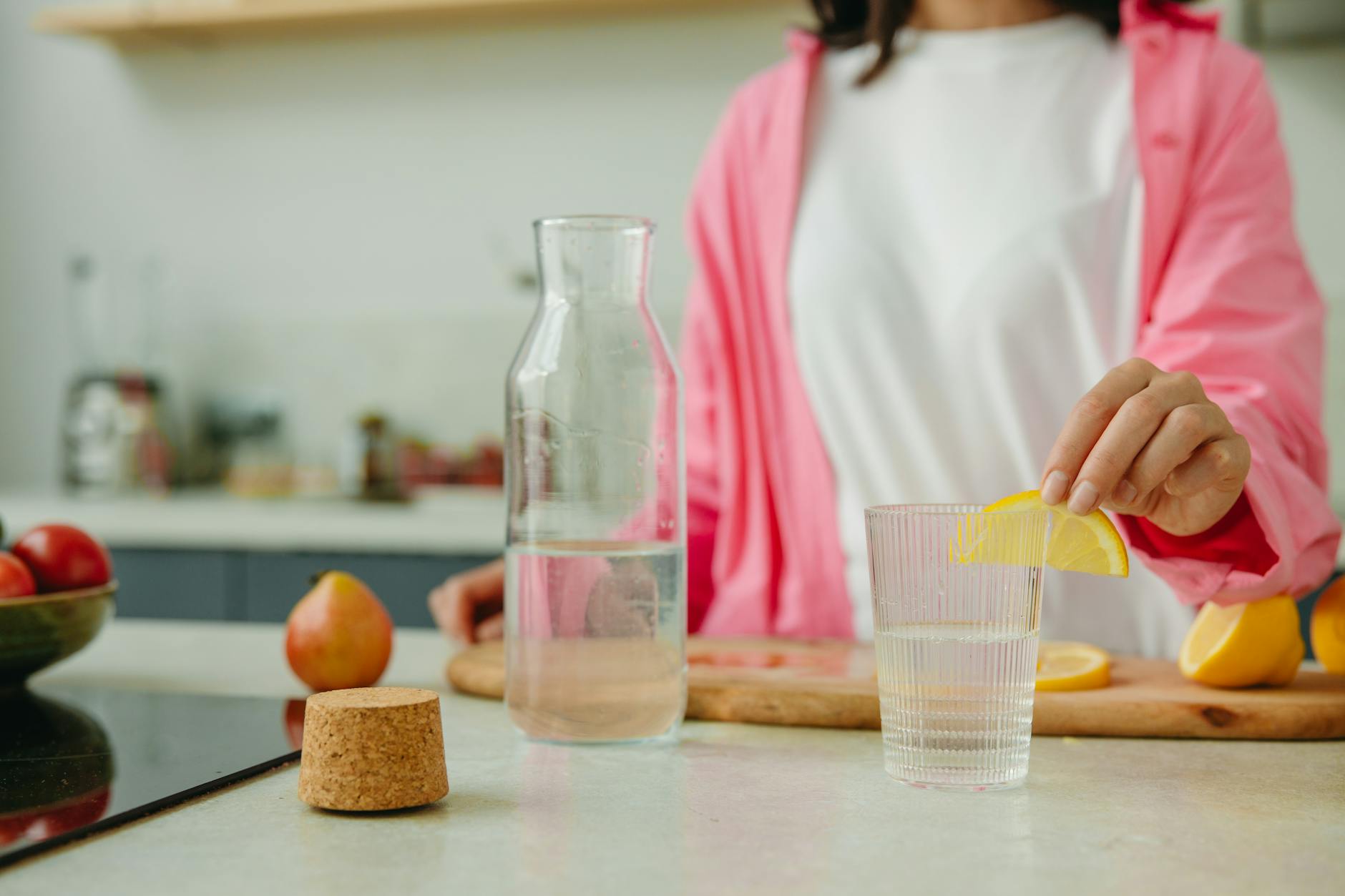
Eight Glasses a Day? The Hydration Rule That Was Never Actually a Rule
Ask almost any American how much water they should drink every day, and they'll tell you eight glasses. Maybe they'll add the "eight by eight" framing — eight ounces, eight times a day. It sounds precise. It sounds medical. It sounds like someone in a lab coat worked it out.
They didn't.
The eight-glasses rule is one of the most widely followed health guidelines in the country, and it has almost no scientific foundation. Not "limited" evidence. Not "mixed" findings. The specific number — eight glasses, daily, for everyone — was essentially never part of any formal clinical recommendation. So where did it come from, and what does the research actually say?
The Paper That Started Everything (Sort Of)
The origin story traces back to 1945, when the U.S. Food and Nutrition Board published a set of dietary recommendations. Buried in that document was a suggestion that adults consume about 2.5 liters of water per day.
Here's the part that got dropped somewhere along the way: the very next sentence clarified that most of that water would come from food.
Fruits, vegetables, soups, coffee, tea — the average American diet already delivers a significant portion of daily fluid intake without a single glass of plain water. But that context didn't make it into the cultural shorthand. What stuck was the number. What got forgotten was the asterisk.
A 2002 analysis published in the American Journal of Physiology by Dr. Heinz Valtin went looking for the clinical evidence behind the eight-by-eight rule and came up largely empty. His conclusion, stated plainly in the paper's abstract, was that there was no scientific evidence supporting the recommendation for healthy adults in temperate climates. He wasn't dismissing hydration as unimportant — he was pointing out that a specific universal quota had been treated as settled science when it had never really been tested as one.
Why One Number Can't Fit Everyone
Here's the thing about hydration: it's genuinely personal in a way that makes a single daily target almost meaningless as a standalone figure.
Body size matters. A 130-pound woman and a 220-pound man do not have the same fluid needs. Activity level matters. Someone who runs five miles in the morning loses significantly more water through sweat than someone who works a desk job. Climate matters enormously — living in Phoenix in July is a completely different hydration environment than living in Seattle in November. And then there's food.
Americans who eat a diet with regular servings of fruits and vegetables are already taking in a meaningful amount of fluid without thinking about it. Cucumbers are about 95% water. Strawberries are close behind. A bowl of oatmeal, a cup of soup, even a cup of coffee contributes to your daily fluid balance — yes, even coffee, despite its reputation as a diuretic. At normal consumption levels, the hydrating effect of the liquid in coffee largely offsets its mild diuretic properties.
The idea that only plain water counts toward hydration is another layer of the myth that science doesn't fully support.
So How Do You Know If You're Actually Hydrated?
This is where the research lands in a pretty practical place. Your body has a remarkably effective feedback system for fluid balance, and for most healthy adults, it works well: it's called thirst.
For the majority of people who aren't elderly (thirst sensation can diminish with age), aren't enduring extreme heat, and aren't engaged in prolonged intense exercise, drinking when you feel thirsty is a legitimate and physiologically sound approach to staying hydrated. Your kidneys are continuously adjusting how much water they retain or release based on your body's current needs. The system is dynamic, not static.
One of the most reliable at-home indicators is urine color. Pale yellow generally signals adequate hydration. Dark yellow or amber suggests you could use more fluid. Completely colorless urine, interestingly, can sometimes indicate you're drinking more than your body needs — which isn't dangerous for most people but isn't a goal either.
Athletes, people working outdoors in heat, pregnant or breastfeeding women, and older adults do have elevated fluid needs that deserve more attention. But for the average healthy adult going about a regular day, chasing a specific glass count is probably less useful than just paying attention to your body.
Why the Myth Stuck Around
Simple rules are easy to remember and easy to repeat. "Drink when you're thirsty" doesn't have the same satisfying specificity as "eight glasses a day." The latter sounds actionable. It sounds like you're doing something measurable for your health.
There's also a long history of the wellness industry attaching itself to hydration — water bottles, hydration apps, electrolyte supplements, and reminder gadgets all benefit from the idea that most people are chronically under-hydrated and need to track their intake carefully. That's not to say those products are useless, but the marketing has reinforced a sense of urgency that the underlying science doesn't fully justify.
The Actual Takeaway
Hydration matters. Nobody is arguing otherwise. But the specific rule most Americans have been following since childhood was never really a rule — it was a misread sentence from a 1945 government document that lost its context somewhere between then and now.
Your actual needs depend on your size, your diet, your activity level, where you live, and how hot it is outside. For most healthy adults, drinking when thirsty and checking in with urine color is a reasonable, evidence-backed approach. If you enjoy drinking a lot of water and it makes you feel good, that's fine too. But you can stop feeling guilty every time you fall short of glass number eight.