The Labor Movement Created the '8 Hours of Sleep' Rule — Science Says Your Body Might Have Other Plans
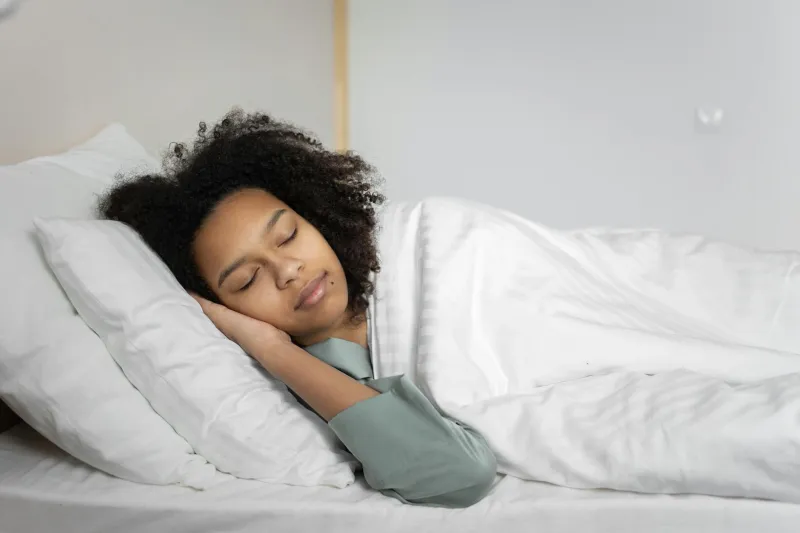
Walk into any doctor's office, flip through a health magazine, or ask Siri about sleep, and you'll get the same answer: eight hours. It's treated like biological law, repeated so often that questioning it feels almost rebellious. But here's what might surprise you — this magic number didn't emerge from sleep laboratories or medical studies. It came from labor organizers trying to divide up the day.
The Real Origin Story: Factory Floors, Not Sleep Labs
The "8-8-8" formula — eight hours of work, eight hours of recreation, eight hours of rest — became a rallying cry during the Industrial Revolution. Welsh textile mill owner Robert Owen coined the phrase "Eight hours labour, eight hours recreation, eight hours rest" in 1817, not as a prescription for optimal health, but as a radical proposal for workers' rights.
At the time, factory workers often labored 12-16 hours a day in dangerous conditions. Owen's slogan wasn't based on circadian rhythm research (which wouldn't exist for another century) — it was simple arithmetic. If you split a 24-hour day into three equal parts, you get eight hours each.
The idea gained momentum through the labor movement, eventually becoming enshrined in workplace laws. Somehow along the way, the "eight hours rest" portion transformed from a minimum standard for worker protection into a universal sleep prescription.
What Sleep Science Actually Discovered
When researchers finally started studying sleep in controlled laboratory settings during the mid-20th century, they found something Owen couldn't have predicted: humans don't operate on a factory schedule. Sleep needs vary dramatically between individuals, and even within the same person across different life stages.
The National Sleep Foundation's research shows that healthy adults typically need anywhere from seven to nine hours of sleep. But here's the key part — "typically" doesn't mean "always." Some people genuinely function optimally on six hours, while others need a full ten hours to feel rested.
Dr. Daniel Kripke's landmark studies at UC San Diego followed over one million participants and found that people sleeping 6.5 to 7.5 hours per night actually had the lowest mortality rates. Those sleeping exactly eight hours showed slightly higher mortality rates than the shorter sleepers.
The Genetics of Sleep
Recent genetic research has identified specific gene variants that affect sleep duration. The DEC2 gene mutation, found in less than 1% of the population, allows some people to function perfectly well on four to six hours of sleep per night. These "short sleepers" aren't sleep-deprived — their brains simply process sleep cycles more efficiently.
On the flip side, other genetic variations require longer sleep periods. Some people with specific ABCC9 gene variants naturally sleep 11+ hours and feel groggy with anything less.
This genetic diversity makes perfect evolutionary sense. Having some tribe members naturally wake earlier and others stay alert later would have provided survival advantages for early human communities.
Why the Eight-Hour Rule Became Medical Gospel
So how did a labor slogan become medical advice? The transformation happened gradually through the 20th century as the eight-hour workday became standard. When sleep research began emerging, the existing eight-hour framework provided a convenient reference point.
Early sleep studies often used eight hours as a baseline, partly because it matched societal expectations. Medical textbooks repeated the number, health classes taught it, and it became self-reinforcing. The simplicity was appealing — one number was easier to remember and communicate than "somewhere between six and ten hours depending on your individual biology."
Insurance companies and healthcare systems also preferred universal guidelines. It's much easier to create sleep hygiene pamphlets with a single recommendation than to explain individual variation.
The Problem with One-Size-Fits-All Sleep
The eight-hour rule has created unnecessary anxiety for millions of people whose natural sleep patterns don't match the prescription. Short sleepers worry they're damaging their health, while long sleepers feel guilty about "oversleeping."
This sleep anxiety can actually worsen sleep quality. People who naturally need seven hours might lie awake trying to reach eight, creating stress that interferes with rest. Others might force themselves to bed earlier than their circadian rhythms prefer, leading to tossing and turning.
Meanwhile, true sleep disorders — like sleep apnea or chronic insomnia — sometimes get overlooked when people assume their sleep problems are simply about hitting the magic eight-hour target.
Finding Your Personal Sleep Sweet Spot
Instead of chasing an arbitrary number, sleep specialists now recommend finding your individual "sleep need." This means paying attention to how you feel with different amounts of sleep, rather than watching the clock.
Good indicators that you're getting enough sleep include: waking up naturally without an alarm (when possible), feeling alert during the day without caffeine, and maintaining consistent energy levels. If you're meeting these markers on seven hours, you don't need to force yourself to sleep longer.
Conversely, if you consistently need nine hours to feel rested, that's not laziness — it's biology.
The Bottom Line: Sleep Is Personal
The eight-hour sleep rule persists because it offers comforting certainty in an area where individual variation is the norm. But your optimal sleep duration depends on your genes, age, health status, stress levels, and lifestyle — not on what worked for 19th-century factory scheduling.
Rather than obsessing over hitting exactly eight hours, focus on sleep quality and consistency. Your body knows what it needs better than a labor organizer from 1817 ever could.