The Hospital Recovery Rules That Kept Surgery Patients Bedridden for Weeks — Modern Medicine Just Proved Them Wrong
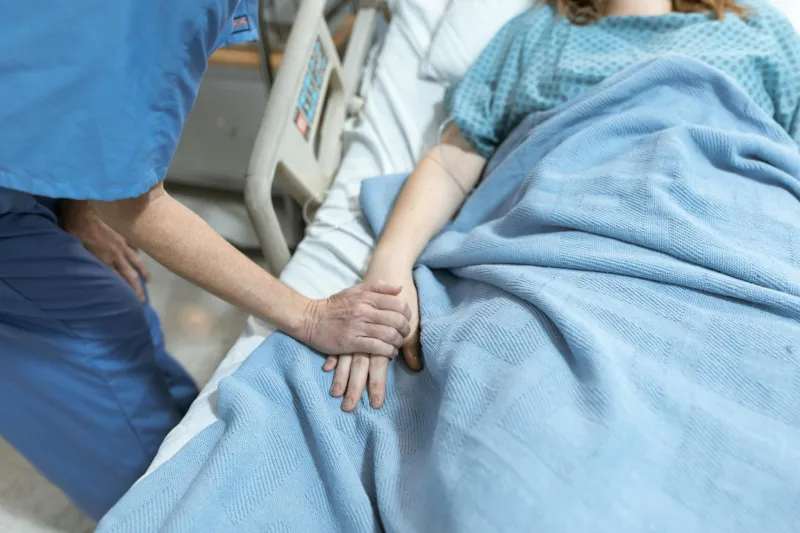
Walk into any hospital today and you might see something that would have horrified doctors just twenty years ago: patients walking the halls hours after major surgery, eating normal food, and going home days earlier than expected.
This isn't reckless medicine — it's the result of researchers finally asking a question that should have been obvious decades ago: Does the traditional approach to surgical recovery actually work?
The 'Common Sense' That Never Made Sense
For most of the 20th century, post-surgical care followed what seemed like unshakeable logic. Surgery traumatizes the body, so patients needed complete rest to heal. Rich foods might upset a delicate digestive system, so bland, minimal nutrition was safest. Movement could disrupt healing tissues, so bed rest was mandatory.
These weren't evidence-based protocols — they were assumptions that felt so obvious that testing them seemed unnecessary. Dr. Henrik Kehlet, a Danish surgeon who would later revolutionize recovery protocols, described the traditional approach as "what we thought made sense, not what we knew worked."
The typical post-surgical experience looked remarkably similar whether you'd had appendix removal or major abdominal surgery: days of bed rest, IV fluids, gradual introduction of clear liquids, then soft foods, and finally discharge when you could walk to the bathroom unassisted. Some patients spent weeks in the hospital for procedures that today send people home the same day.
When Doctors Started Questioning Everything
The first cracks in surgical orthodoxy appeared in the 1990s when Kehlet began studying what he called "Enhanced Recovery After Surgery" — though the concept was revolutionary enough that it needed a more palatable name. His team started with a simple question: What if we did the opposite of everything we've been doing?
Instead of keeping patients on IV fluids for days, they encouraged drinking clear liquids within hours of surgery. Rather than enforcing bed rest, they had patients walking within six hours of major operations. They replaced the traditional progression from clear liquids to soft foods with normal meals as soon as patients felt ready.
The results were so dramatic that other surgeons initially dismissed them as impossible. Patients following the new protocols were going home 2-3 days earlier than traditional patients. Complication rates weren't just staying the same — they were dropping. Patients reported less pain, better energy, and faster returns to normal activity.
The Science Behind the Surprise
What researchers discovered overturned nearly every assumption about surgical healing. Bed rest, far from protecting recovering bodies, was actually causing harm. Prolonged immobility leads to muscle weakness, blood clots, pneumonia, and slower wound healing. The body heals better when it's moving.
The traditional bland diet approach was equally counterproductive. The digestive system doesn't need to "rest" after most surgeries — it needs fuel to power the healing process. Patients eating normal foods within hours of surgery showed better immune function and faster tissue repair than those following the traditional clear-liquid progression.
Even the timing of pain medication was backwards. Instead of waiting for patients to report pain and then treating it, the new protocols used preventive pain management that kept patients comfortable enough to move and eat normally.
Dr. Sarah Thompson, who implemented enhanced recovery protocols at Johns Hopkins, explains the shift: "We realized we were treating surgery like a disease that required convalescence, when we should have been treating it like an injury that required active recovery."
Why Bad Advice Became Medical Gospel
The persistence of ineffective post-surgical care reveals something important about how medical knowledge develops — and how it gets stuck. The traditional protocols weren't based on malicious intent or ignorance. They emerged from reasonable-sounding theories during an era when testing medical assumptions was less systematic.
Once these approaches became standard practice, they created their own evidence. Patients did eventually recover following traditional protocols, which seemed to prove they worked. The possibility that patients might recover faster and better with different care wasn't seriously considered because the existing system appeared successful.
Medical training reinforced these practices across generations. Residents learned from attending physicians who had learned from their mentors, creating an unbroken chain of untested assumptions. Questioning fundamental recovery protocols felt like questioning surgery itself.
The Slow Revolution
Today, Enhanced Recovery After Surgery (ERAS) protocols are transforming hospitals worldwide, though adoption has been surprisingly gradual. Many medical centers now routinely have patients walking within hours of major surgery, eating normal food the same day, and going home days earlier than previous generations of patients.
The change isn't just about hospital efficiency — though the cost savings are substantial. Patients following evidence-based recovery protocols report better experiences, fewer complications, and faster returns to normal life. What once required weeks of careful convalescence now often involves a few days of active recovery.
What This Means for Your Next Surgery
If you're facing surgery, the landscape has likely changed dramatically since the last time you or someone you know went through the experience. Don't be surprised if your medical team encourages you to walk, eat, and go home much sooner than you expected.
The lesson extends beyond surgery: medical "common sense" isn't always sensible, and the most obvious-seeming treatments aren't always the most effective. Sometimes the best medicine means doing exactly the opposite of what feels natural — and trusting that decades of careful research know better than centuries of untested assumptions.