The Campaign That Convinced a Nation
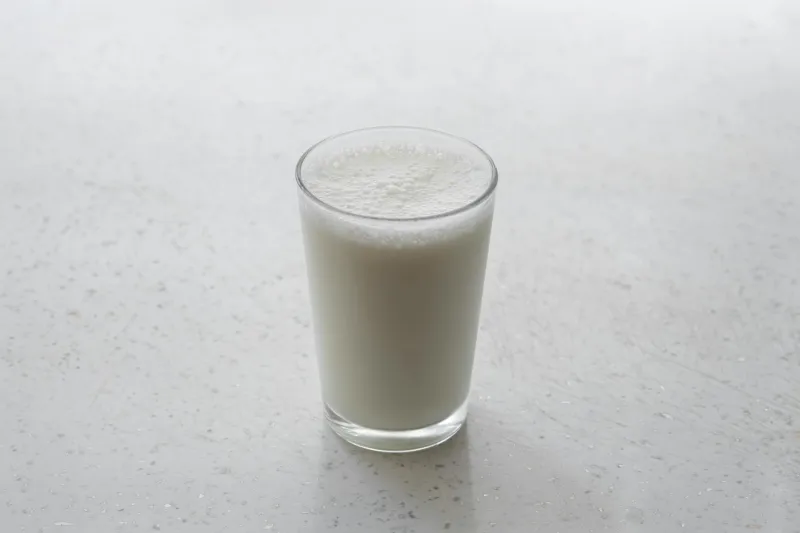
If you grew up in America, you probably heard it countless times: drink your milk for strong bones. The message came from parents, school cafeterias, and those ubiquitous "Got Milk?" ads featuring celebrities with white mustaches. For decades, this advice seemed like basic nutritional wisdom.
But here's what most people don't know: the idea that milk is essential for bone health largely came from marketing campaigns funded by the dairy industry, not from independent medical research.
The National Dairy Council, formed in 1915, spent over a century promoting milk as the cornerstone of bone health. By the 1980s and 90s, their messaging had become so pervasive that questioning milk's role in bone health seemed almost heretical. The "Got Milk?" campaign alone spent $1.8 billion promoting dairy consumption between 1993 and 2014.
 Photo: National Dairy Council, via www.usdairy.com
What Bone Scientists Actually Discovered
When researchers started examining the relationship between dairy consumption and bone health across different populations, they found something puzzling: the countries that consumed the most dairy didn't necessarily have the strongest bones.
This phenomenon, known as the "calcium paradox," shows up in study after study. Countries like Norway, Sweden, and the United States — where dairy consumption is among the world's highest — also have some of the highest rates of hip fractures and osteoporosis. Meanwhile, populations in Asia and Africa, where dairy consumption is traditionally low, often show better bone health outcomes.
A landmark 2014 study published in the BMJ followed over 100,000 Swedish adults for more than 20 years. The researchers found that people who drank three or more glasses of milk daily actually had higher rates of bone fractures and mortality compared to those who drank less than one glass per day.
The Missing Pieces of Bone Health
Bone scientists now understand that calcium is just one piece of a much larger puzzle. Your skeleton needs vitamin D to absorb calcium effectively, vitamin K2 to direct calcium to bones instead of arteries, magnesium to support bone formation, and weight-bearing exercise to stimulate bone growth.
Moreover, some compounds in dairy might actually interfere with calcium absorption. The high protein content in milk can increase calcium excretion through urine, potentially offsetting the calcium you're consuming. This is why simply chugging more milk doesn't automatically translate to stronger bones.
Dr. Walter Willett, professor of epidemiology and nutrition at Harvard T.H. Chan School of Public Health, has been studying this relationship for decades. His research suggests that beyond childhood, the benefits of high dairy consumption for bone health are questionable at best.
 Photo: Dr. Walter Willett, via labs.childrenshospital.org
 Photo: Harvard T.H. Chan School of Public Health, via hsph.harvard.edu
Why the Milk Message Stuck
The dairy industry's messaging was brilliantly simple: milk contains calcium, bones need calcium, therefore milk builds strong bones. This straightforward logic was easy to remember and repeat, even though the actual science of bone health is far more complex.
The message also aligned with existing cultural beliefs about wholesome, all-American foods. Milk became associated with childhood, growth, and vitality — making it emotionally difficult to question, even when research suggested the relationship wasn't so clear-cut.
Government dietary guidelines reinforced these messages. The USDA's food pyramid and later MyPlate recommendations emphasized dairy consumption, often without adequately acknowledging that these guidelines were influenced by agricultural lobbying as much as nutritional science.
What Actually Builds Strong Bones
Modern bone research points to a more holistic approach to skeletal health. Weight-bearing and resistance exercises are crucial — your bones literally become stronger in response to the stress of movement and muscle contraction.
Vitamin D, which most Americans don't get enough of, is essential for calcium absorption. You can get it from sunlight, fatty fish, or supplements. Dark leafy greens provide both calcium and vitamin K, which helps direct that calcium to your bones rather than your blood vessels.
Magnesium, found in nuts, seeds, and whole grains, supports the cellular processes that build bone tissue. And maintaining a healthy overall diet with adequate protein supports the collagen matrix that gives bones their flexibility.
The Takeaway
This doesn't mean milk is harmful or that calcium doesn't matter for bone health. Rather, it means the "drink milk for strong bones" message oversimplified a complex biological process and may have distracted from other important factors.
If you enjoy dairy products, there's no need to eliminate them from your diet. But if you're concerned about bone health, focus on the bigger picture: regular exercise, adequate vitamin D, a varied diet rich in vegetables, and maintaining a healthy weight throughout your life.
The next time you see a milk mustache ad, remember that strong bones require more than a marketing slogan — they need a comprehensive approach that the dairy industry never had much reason to promote.