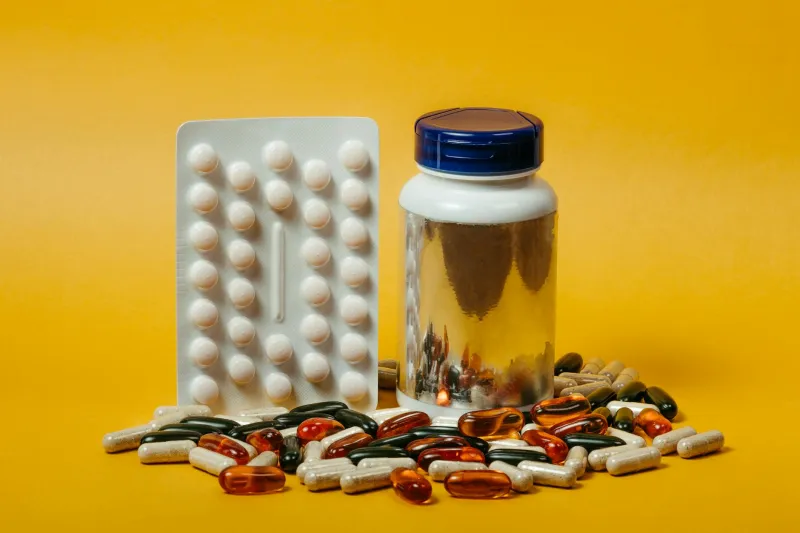
Stand in any American pharmacy and you'll face an entire wall dedicated to gut health: bottles promising billions of live bacteria, each strain carefully marketed for specific benefits. The probiotic supplement industry has exploded into a $7 billion market built on a compelling premise—swallow these beneficial bacteria, and they'll set up shop in your digestive system to improve everything from immunity to mood.
But here's what the colorful packaging doesn't mention: most of those bacteria are probably dead before they ever reach your gut. And even if they survive the journey, whether they actually do anything useful once they get there is still an open scientific question.
The Promise vs. The Process
The probiotic concept sounds straightforward enough. Your gut contains trillions of bacteria that influence digestion, immune function, and even mental health. When this ecosystem gets disrupted—by antibiotics, stress, or poor diet—adding beneficial bacteria back seems like obvious medicine.
Probiotic supplements promise to deliver specific strains of bacteria in precise quantities, often advertising "50 billion CFU" (colony-forming units) or higher numbers that sound impressively scientific. The marketing suggests these bacteria will colonize your intestines, crowd out harmful microorganisms, and restore optimal gut health.
The reality is far more complicated, starting with a basic biological challenge: bacteria are living organisms that don't particularly want to spend months sitting in a bottle on a store shelf.
The Survival Problem Nobody Talks About
Here's what happens to those billions of bacteria from the moment they're manufactured until they theoretically reach your gut:
Manufacturing and storage present the first hurdle. Despite claims of "live bacteria," many probiotic supplements lose significant portions of their bacterial populations during production and storage. Independent testing by consumer laboratories has repeatedly found that products contain far fewer living bacteria than advertised—sometimes less than 1% of the promised amount.
Temperature fluctuations during shipping and storage kill bacteria that weren't designed to survive room temperature for extended periods. That supplement that sat in a hot delivery truck or warm warehouse for weeks? Most of its bacterial passengers probably didn't make it.
Stomach acid presents the next challenge. Your stomach is literally designed to kill microorganisms before they reach your intestines. The acidic environment that protects you from harmful bacteria doesn't discriminate—it attacks the beneficial bacteria in supplements just as aggressively.
Bile salts in your small intestine provide another layer of bacterial defense that probiotic bacteria must survive. Even bacteria that make it past stomach acid face this additional chemical gauntlet.
What Scientists Have Actually Discovered
When researchers have tracked what happens to probiotic bacteria in controlled studies, the results are sobering. Multiple studies using sophisticated molecular techniques to trace specific bacterial strains have found that most supplemental bacteria either don't survive the digestive process or don't establish lasting colonies in the gut.
Even more surprising: when probiotic bacteria do temporarily colonize the gut, they typically disappear within days or weeks of stopping supplementation. Unlike your native gut bacteria, which have evolved to thrive in your specific intestinal environment, foreign bacteria from supplements struggle to establish permanent residence.
This doesn't mean probiotics never work—some studies have shown benefits for specific conditions like antibiotic-associated diarrhea or certain digestive disorders. But the mechanism might not be what the marketing suggests. Instead of colonizing your gut long-term, probiotic bacteria might provide temporary benefits through immune system interactions or by producing beneficial compounds during their brief transit through your digestive system.
The Gut Microbiome Reality Check
The science of gut microbiomes is genuinely fascinating, but it's also far more complex than the supplement industry acknowledges. Your gut bacteria are as individual as your fingerprint, shaped by genetics, early childhood exposures, diet, geography, and countless other factors.
Researchers have identified hundreds of different bacterial species in healthy human guts, existing in delicate ecological relationships that science is still trying to understand. The idea that adding a few specific strains through supplements will meaningfully alter this complex ecosystem is increasingly questioned by microbiome researchers.
Diversity matters more than specific strains. Studies consistently show that people with more diverse gut bacteria tend to have better health outcomes. But most probiotic supplements contain only a handful of bacterial strains—a far cry from the diverse ecosystem that characterizes healthy guts.
Diet shapes your microbiome more than supplements. The bacteria in your gut feed on what you eat, particularly fiber from fruits, vegetables, and whole grains. Consistently eating a diverse, plant-rich diet appears to support gut health more effectively than adding bacteria through supplements.
Why the Industry Thrives Despite Mixed Science
The probiotic supplement industry has flourished partly because the science is complicated enough to leave room for optimistic interpretation. Some studies do show benefits, even if the mechanisms aren't what manufacturers claim. And the concept appeals to Americans' desire for simple solutions to complex health problems.
The gut-health trend also coincided with growing awareness of the microbiome's importance, creating a perfect storm of consumer interest and scientific intrigue. When legitimate research about gut bacteria started making headlines, supplement companies were ready with products that seemed to translate that science into actionable health advice.
Regulatory gaps also help explain the industry's growth. Unlike prescription medications, probiotic supplements don't need to prove efficacy before reaching market. As long as they don't claim to treat specific diseases, manufacturers can make broad health claims based on preliminary research.
What This Means for Your Medicine Cabinet
If you're taking probiotic supplements, this doesn't necessarily mean you should stop—some people do report feeling better, and the placebo effect is still a real effect. But it does mean you should adjust your expectations about what's actually happening.
Instead of thinking about supplements as delivering live bacteria to colonize your gut, consider them as potentially providing temporary benefits through mechanisms scientists don't fully understand yet. And recognize that the most reliable ways to support gut health are still the boring ones: eating diverse plant foods, limiting processed foods, managing stress, and avoiding unnecessary antibiotics.
The next time you see those impressive CFU numbers on probiotic bottles, remember that survival rates matter more than starting populations. In the complex ecosystem of your gut, it's not just about how many bacteria you swallow—it's about whether any of them make it there alive, and what they actually do once they arrive.
Sometimes the most expensive solution isn't the most effective one. And in the case of gut health, the bacteria you're already carrying might be more important than the ones you're trying to add.