Women's Heart Attacks Look Nothing Like the Movies — Because Doctors Only Studied Men
The Heart Attack That Doesn't Look Like a Heart Attack
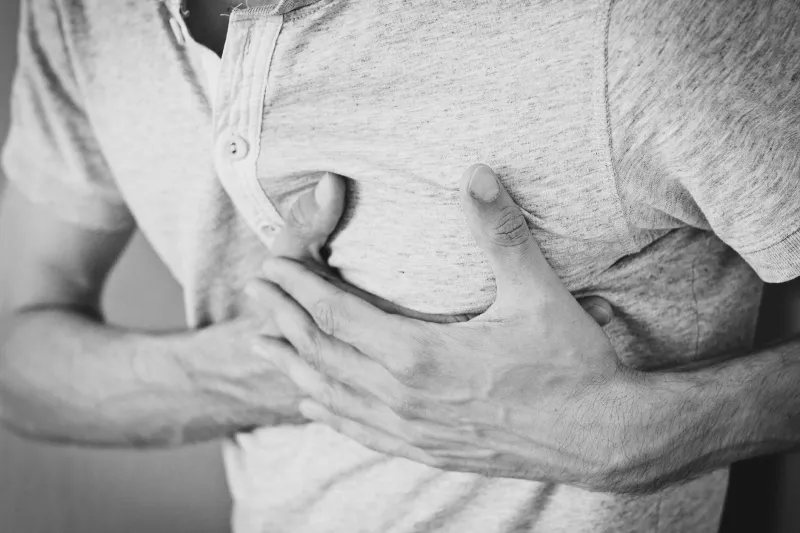
Clutching the chest, pain shooting down the left arm, collapsing dramatically — this is how heart attacks look in movies, medical textbooks, and the collective American imagination. It's also how they look when they happen to men.
For women, heart attacks often look completely different. Instead of crushing chest pain, they might experience nausea, back pain, or overwhelming fatigue. Instead of dramatic collapse, they might feel like they're coming down with the flu.
For decades, these differences led to a deadly pattern: women having heart attacks were sent home from emergency rooms, told they were experiencing anxiety, indigestion, or stress. Many died because their symptoms didn't match what doctors had learned to recognize.
The problem wasn't that doctors weren't paying attention. The problem was that medical science had spent nearly a century studying heart disease almost exclusively in men.
When Medicine Forgot Half the Population
Until the 1990s, most major heart disease studies enrolled few or no women. The reasoning seemed logical at the time: women had lower rates of heart disease before menopause, and researchers wanted to avoid the "complications" of hormonal fluctuations and pregnancy.
The landmark Framingham Heart Study, which began in 1948 and established much of what we know about cardiovascular risk factors, initially included women. But when it came to analyzing heart attack symptoms and outcomes, the focus remained heavily male-centered.
Other major studies were even more exclusive. The Physicians' Health Study, which ran from 1982 to 1995 and influenced decades of treatment guidelines, enrolled 22,071 participants — all of them men.
 Photo: Physicians' Health Study, via www.physiciansforpatientprotection.org
This research shaped everything: medical school curricula, emergency room protocols, and public health campaigns. The "typical" heart attack became synonymous with male heart attack patterns.
What Women's Heart Attacks Actually Look Like
When researchers finally started studying women's heart attacks in the 1990s, they discovered that female patients often experienced:
Subtle chest discomfort: Instead of crushing pain, women more often describe pressure, squeezing, or fullness that might come and go.
Pain in unexpected places: Back pain, neck pain, jaw pain, or pain in one or both arms — particularly the right arm, not just the left.
Gastrointestinal symptoms: Nausea, vomiting, or indigestion that feels different from normal stomach upset.
Overwhelming fatigue: Unusual exhaustion that can begin days or weeks before the actual heart attack.
Shortness of breath: Often without chest pain, and sometimes the only symptom.
Dizziness or lightheadedness: Especially when combined with other symptoms.
These symptoms can be so subtle that women themselves don't recognize them as cardiac events. Many describe feeling like they have the flu, are having a panic attack, or are just unusually tired.
The Deadly Consequences of Misdiagnosis
The impact of this research gap was measured in lives. Studies from the early 2000s found that women were significantly more likely than men to be misdiagnosed in emergency rooms and sent home during heart attacks.
Even when correctly diagnosed, women were less likely to receive aggressive treatment. They were prescribed fewer medications, offered fewer procedures, and given less intensive monitoring.
The mortality statistics tell the story: women were more likely to die from their first heart attack than men, and more likely to have a second heart attack within a year of the first.
Part of this disparity came from biological differences — women's smaller coronary arteries and different hormonal environments do affect treatment outcomes. But a significant portion came from delayed recognition and treatment based on male-derived symptoms.
How Hormones Complicate the Picture
Women's cardiovascular risk changes dramatically throughout their lives, largely due to hormonal fluctuations. Before menopause, estrogen provides significant protection against heart disease. After menopause, that protection disappears rapidly.
This creates a unique pattern: women typically develop heart disease about 10 years later than men, but when they do develop it, it's often more severe and harder to treat. Their smaller arteries and different plaque patterns require different approaches.
Pregnancy adds another layer of complexity. Conditions like preeclampsia and gestational diabetes significantly increase cardiovascular risk later in life, but these connections weren't well understood until recently.
The Research Revolution
The 1993 NIH Revitalization Act mandated that federally funded research include women and minorities unless there was a compelling scientific reason not to. This law transformed cardiovascular research.
Studies like the Women's Health Initiative, launched in 1991, began providing data specifically about women's heart disease. The results challenged assumptions about everything from hormone replacement therapy to aspirin use.
Researchers discovered that women's arteries develop different types of blockages, respond differently to stress, and require different treatment approaches. What worked for men didn't always work for women.
Emergency Rooms Catch Up
Modern emergency departments now train staff to recognize female heart attack patterns. Many hospitals have implemented protocols that specifically account for gender differences in symptom presentation.
The development of more sensitive cardiac enzyme tests has also helped. These blood tests can detect heart muscle damage even when symptoms are subtle, reducing reliance on symptom recognition alone.
Public awareness campaigns have begun highlighting women's symptoms, though the classic male presentation still dominates popular understanding.
What This Means for Women Today
If you're a woman experiencing unusual symptoms — especially if you have risk factors like high blood pressure, diabetes, or a family history of heart disease — don't dismiss them as stress or anxiety.
Pay attention to combinations of subtle symptoms: unusual fatigue plus nausea, back pain plus shortness of breath, or jaw pain plus dizziness. Trust your instincts if something feels seriously wrong.
In the emergency room, be specific about your symptoms and mention if you're concerned about heart problems. Don't let medical staff dismiss your concerns as anxiety without proper evaluation.
The Bigger Picture
The story of women's heart disease research illustrates a broader problem in medicine: for too long, medical science treated the male body as the default and female bodies as variations or complications.
This bias affected research into everything from drug dosing to surgical techniques. Women metabolize medications differently, respond differently to anesthesia, and have different immune responses — differences that were largely ignored until recently.
Today's medical research increasingly includes diverse populations from the beginning, but it will take time to overcome decades of male-centered knowledge. Understanding this history helps explain why some medical advice might not work equally well for everyone.
The next time you hear about "typical" heart attack symptoms, remember: they're typical for about half the population. For the other half, heart attacks often whisper rather than shout.