You Learned About Five Senses in School Because of Ancient Greece — Science Has Discovered We Actually Have Twenty
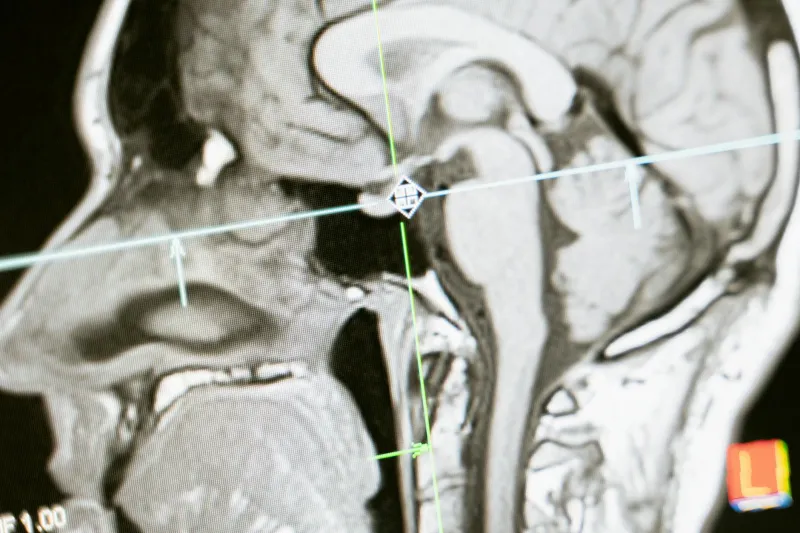
Close your eyes and touch your nose. Easy, right? You just used a sense that doesn't appear in any elementary school textbook.
Now stand on one foot with your eyes still closed. You're balancing using another "invisible" sense that's not part of the famous five.
Notice your heartbeat, or whether you need to use the bathroom. Congratulations — you've just accessed two more sensory systems that Aristotle never imagined.
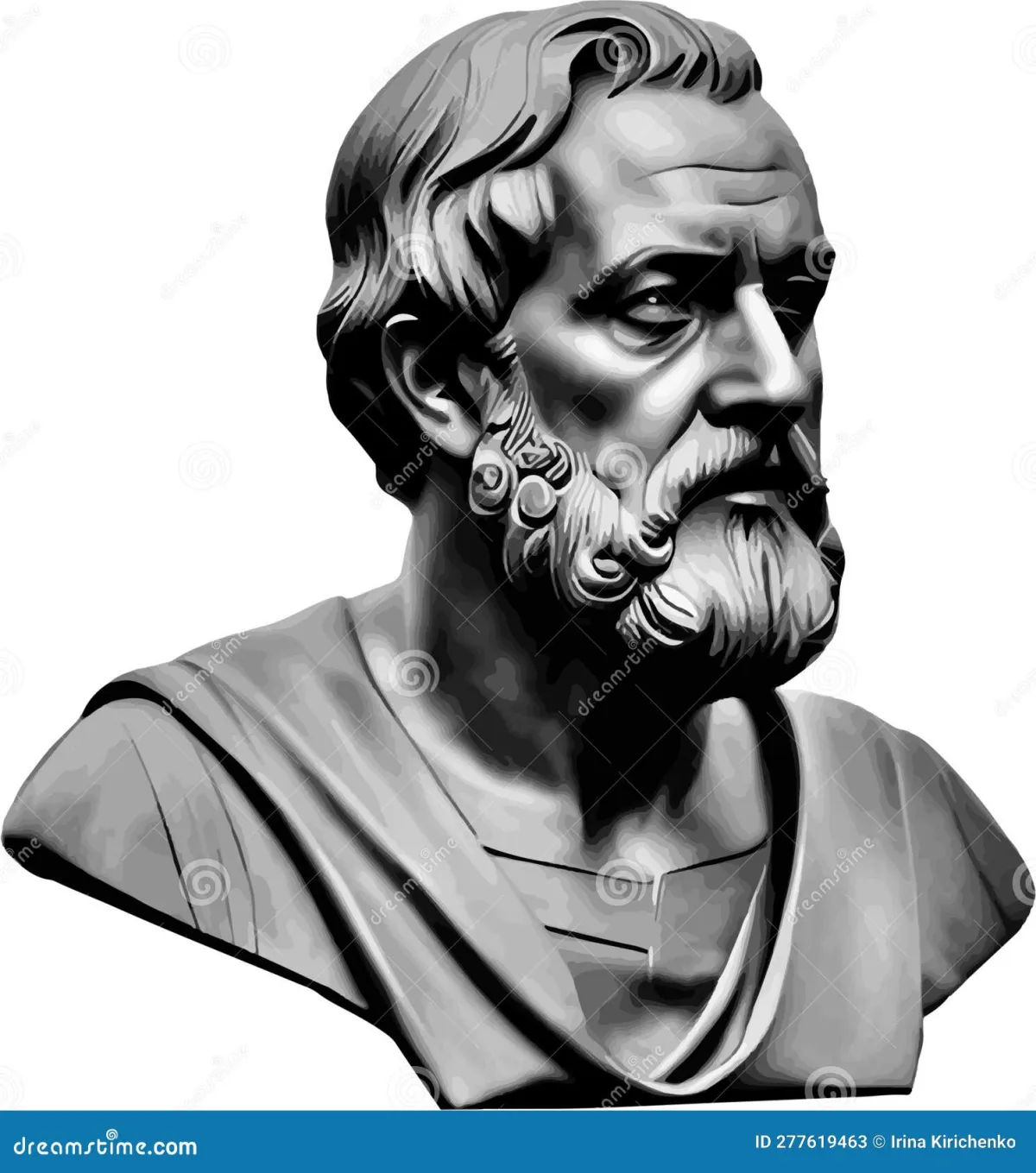 Photo: Aristotle, via thumbs.dreamstime.com
The "five senses" framework that dominates American education is over 2,000 years old, and modern neuroscience has left it far behind.
Why We're Still Teaching Ancient Greek Biology
Around 350 BCE, Aristotle wrote "De Anima" (On the Soul), where he categorized human perception into five categories: sight, hearing, smell, taste, and touch. For its time, this was groundbreaking scientific thinking.
But here's the thing: Aristotle was working without microscopes, brain imaging, or any understanding of neural pathways. He based his categories on obvious, external observations of how humans seemed to interact with their environment.
Fast-forward to today, and American textbooks still teach Aristotle's framework as if it's settled science. The five senses appear in kindergarten curricula, standardized tests, and even medical school anatomy courses that should know better.
What Modern Neuroscience Actually Counts
Today's sensory biologists don't count five senses — they count closer to twenty, depending on how you define "distinct sensory system."
Here are some of the "extra" senses your body uses every day:
Proprioception — your awareness of where your body parts are in space. This is how you touched your nose with your eyes closed. Damage this system, and simple tasks like walking become nearly impossible.
Vestibular sense — your inner ear's balance system that detects head position and movement. Without it, you'd fall over constantly.
Thermoception — temperature sensing, which uses completely different neural pathways than regular touch. You have separate receptors for heat and cold.
Nociception — pain detection, which isn't just "intense touch" but an entirely separate warning system with its own neural circuits.
Interoception — awareness of internal body signals like hunger, thirst, heart rate, and bathroom needs. This might be the most important sense you've never heard of.
The Touch That Isn't Really Touch
Even Aristotle's "simple" sense of touch turns out to be at least four different systems working together.
You have separate receptors for:
- Light pressure
- Deep pressure
- Vibration
- Texture
Each uses different types of nerve endings and sends information to different parts of your brain. A neurologist can test these systems individually — you might lose your ability to feel vibration while keeping pressure sensitivity intact.
Calling this "one sense" is like calling all forms of electromagnetic radiation "light" just because they're on the same spectrum.
The Senses Science Discovered by Accident
Some sensory systems were only identified when they broke down. Take proprioception — doctors didn't fully understand this "sixth sense" until they met patients who had lost it.
Ian Waterman, a British man who lost proprioception due to a rare infection, has to watch his hands to control them. Without visual feedback, he can't walk, write, or even sit upright. His case helped scientists understand that position awareness is a completely separate sensory system.
 Photo: Ian Waterman, via cdn.sanity.io
Similarly, people with vestibular disorders revealed how much we rely on inner ear balance sensors. These patients can see and hear perfectly but feel constantly dizzy and disoriented.
Why Schools Haven't Caught Up
If neuroscience moved beyond the five senses decades ago, why are American kids still learning Aristotle's version?
Part of the answer is institutional inertia. Textbook publishers recycle content, and teachers teach what they learned. The five-senses model is simple, memorable, and connects to obvious body parts (eyes, ears, nose, mouth, skin).
The real sensory systems are messier. Proprioception doesn't have an obvious organ — it's distributed throughout your muscles, joints, and tendons. Interoception happens everywhere inside your body. These don't fit neatly into a kindergarten worksheet.
The Cultural Impact of Sensory Myths
This outdated framework shapes how Americans think about disability and human potential. We talk about "losing your senses" as if there are only five to lose, when actually sensory disabilities are much more varied and complex.
Someone might have perfect vision but struggle with proprioception, making them appear clumsy or uncoordinated. Another person might have excellent hearing but poor vestibular function, causing balance issues that seem unrelated to their ears.
Understanding the real diversity of human sensory systems could help reduce stigma and improve support for people with sensory processing differences.
What This Means for Your Daily Life
Recognizing your full sensory toolkit can actually improve how you navigate the world.
That "gut feeling" about a situation? It might be interoception picking up on subtle changes in your heart rate or breathing that your conscious mind hasn't noticed yet.
Feeling off-balance after a long flight? Your vestibular system is recalibrating to solid ground after hours of airplane motion.
Can't concentrate in an open office? Your brain might be overwhelmed trying to process multiple sensory inputs simultaneously — not just noise, but also air currents, temperature changes, and spatial awareness of people moving around you.
The Emerging Senses We're Still Discovering
Scientists continue finding new sensory capabilities. Recent research suggests humans might have magnetic field detection (like birds use for navigation) and electrical field sensitivity.
Some people report being able to "sense" electronic devices or predict weather changes. While these claims need more research, the history of sensory science suggests we shouldn't dismiss them too quickly.
Beyond Human Senses
Other animals reveal just how limited Aristotle's five-sense model really is. Sharks detect electrical fields from other animals' muscles. Snakes see infrared heat signatures. Dolphins use echolocation like biological sonar.
Even among mammals, sensory experiences vary wildly. Dogs live in a world of scent information we can barely imagine. Cats see ultraviolet patterns on flowers that are invisible to us.
This diversity suggests that human sensory experience, far from being the "complete" picture Aristotle imagined, is just one limited slice of how life can perceive reality.
Teaching the Next Generation
Some progressive educators are already updating their approach. Instead of memorizing five senses, students learn about sensory systems — how different types of information help us understand our environment.
This framework is more accurate scientifically and more inclusive of different ways people experience the world.
The goal isn't to memorize twenty senses instead of five, but to understand that human perception is far more sophisticated and varied than ancient philosophy suggested.
Your body is constantly gathering information through dozens of specialized detection systems, most of which operate below conscious awareness. You're not just seeing, hearing, smelling, tasting, and touching the world — you're sensing it in ways that would amaze Aristotle and that science is still working to fully understand.