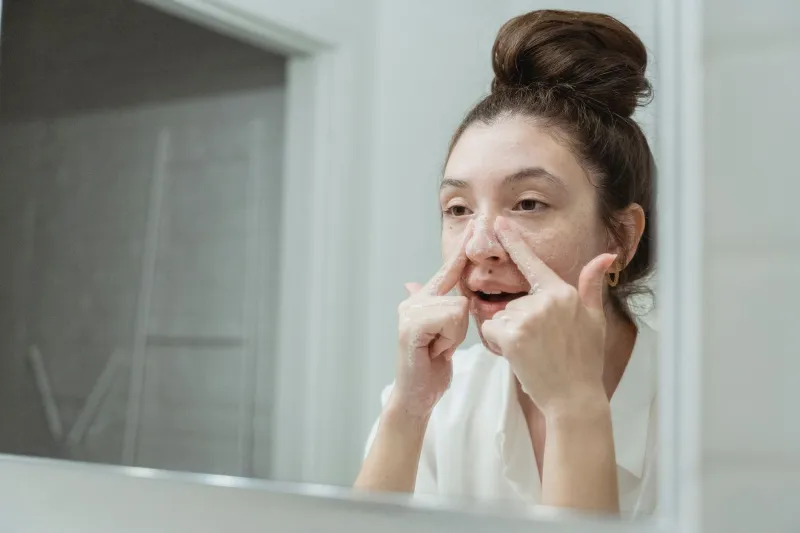
First Impressions Are Powerful — But Not as Permanent as Self-Help Books Want You to Believe

Walk into any bookstore's business section and you'll find dozens of titles promising to help you "nail that first impression." Career coaches charge hundreds of dollars to teach "first impression mastery." Dating apps have built billion-dollar businesses around the split-second swipe decision.
The underlying belief? You get exactly one chance to make a first impression, and if you blow it, you're basically done.
The Psychology Behind Snap Judgments
There's real science behind first impressions. Psychologists call it the "primacy effect" — our tendency to weigh initial information more heavily than what comes later. Within milliseconds of meeting someone, your brain processes facial features, body language, and vocal tone to form judgments about competence, trustworthiness, and likability.
Researcher Alex Todorov at Princeton found that people make political voting decisions based on candidate photos viewed for just one-tenth of a second. These snap judgments predicted actual election outcomes with surprising accuracy.
But here's where the self-help industry goes wrong: they've turned "first impressions matter" into "first impressions are everything."
When First Impressions Actually Change
Social psychologist Susan Fiske's research at Princeton reveals a more complex picture. Her studies show that first impressions become less influential when people have multiple interactions, work together on shared goals, or when the initial meeting happens in an artificial context.
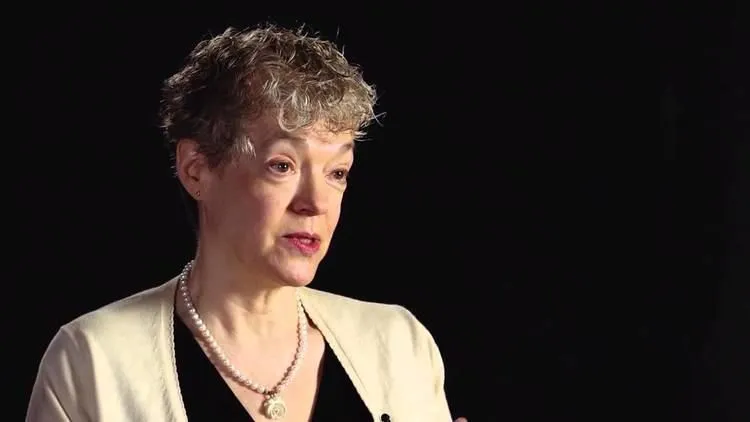 Photo: Susan Fiske, via alchetron.com
In one study, participants watched videos of people in job interviews. Those who saw only the first 30 seconds formed opinions that barely budged when shown the full interview. But participants who knew they'd be working with these people? Their judgments shifted significantly as they gathered more information.
The difference is motivation. When you know you'll interact with someone repeatedly, your brain stays open to updating its initial assessment.
The Corporate Myth Machine
The "one chance only" narrative serves a specific purpose: it sells services. Interview coaching, personal branding consultants, and networking seminars all depend on the fear that a single awkward moment could derail your career.
This message exploded in the 1990s alongside the rise of corporate self-help culture. Books like "You Never Get a Second Chance to Make a First Impression" became bestsellers by amplifying anxiety about social performance.
But workplace psychology research tells a different story. Studies of actual hiring decisions show that while first impressions influence initial screening, they become less predictive of final hiring choices when candidates go through multiple interview rounds or work-sample tests.
Context Changes Everything
Your environment during that first meeting matters enormously. Meeting someone at a noisy networking event creates a very different impression than collaborating on a project or having a one-on-one conversation.
Researcher Nalaka Gooneratne studied how context affects medical consultations. Patients who met doctors in sterile exam rooms rated them as less warm and competent than those who had the same conversations in more comfortable settings — even when the doctors behaved identically.
The takeaway? A "bad" first impression might say more about the situation than about you.
The Familiarity Factor
Psychologists have documented something called the "mere exposure effect" — we tend to like people more the more we see them, even without additional positive interactions. This effect is so strong it can override negative first impressions.
Robert Zajonc's classic studies showed that people rated photographs more positively after seeing them multiple times, even when they couldn't consciously remember seeing them before. The same principle applies to social situations.
 Photo: Robert Zajonc, via www.socialpsychology.org
This is why workplace relationships often improve over time, even after rocky starts. The colleague who seemed standoffish in your first meeting might simply have been having a bad day.
When First Impressions Really Do Stick
First impressions become more permanent in specific circumstances: when you have limited future contact, when the stakes feel low, or when the other person isn't motivated to update their judgment.
Online dating is a perfect example. With thousands of potential matches, users have little incentive to reconsider someone who didn't immediately grab their attention. The "one chance" rule applies more accurately here than in most real-world situations.
Similarly, brief customer service interactions or networking events with strangers you're unlikely to see again give first impressions more staying power.
The Real Strategy
Rather than obsessing over perfecting every first encounter, psychology suggests a different approach: focus on creating opportunities for multiple interactions.
In professional settings, this might mean following up with thoughtful emails, volunteering for collaborative projects, or simply being consistently present and engaged over time.
For social situations, it means not writing people off after one awkward conversation — and not assuming they've written you off either.
What Actually Matters
The research is clear: authenticity tends to work better than performance. People are surprisingly good at detecting when someone is "trying too hard" to make an impression, and it often backfires.
Instead of memorizing elevator pitches and perfecting your handshake, focus on being genuinely interested in others and present in the moment. These behaviors create positive impressions that feel natural rather than calculated.
The "one chance" myth has created unnecessary anxiety around normal human interactions. While first impressions do matter, they're not the permanent, life-altering judgments the self-help industry wants you to believe. Most relationships — professional and personal — develop through multiple touchpoints, and your brain is constantly updating its assessments based on new information.
The truth is more reassuring: you get many chances to make an impression, and people are more forgiving of initial awkwardness than you think.