Orange Juice Became America's Cold Remedy Because of 1940s Marketing — Not Medical Advice
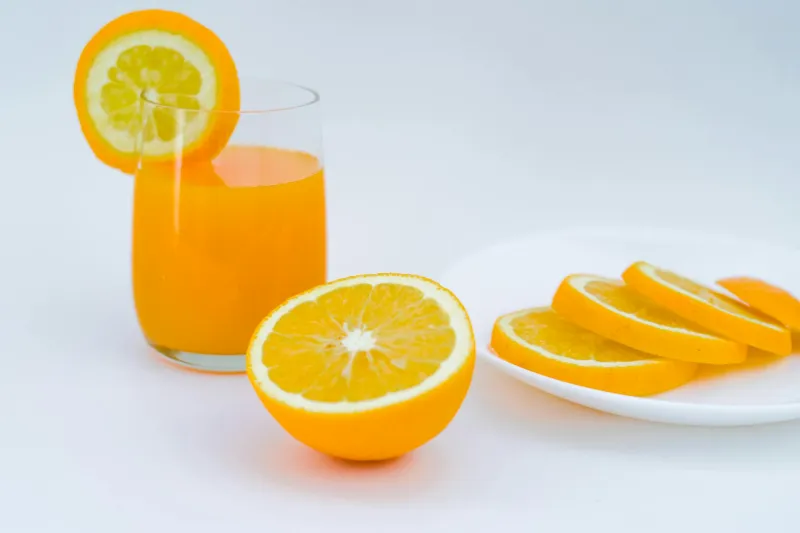
Ask most Americans what to drink when you're fighting a cold, and orange juice will top the list. It's practically a cultural reflex: runny nose equals vitamin C equals orange juice. Grocery stores even market "immunity" blends with extra vitamin C during flu season.
But this deeply ingrained health habit didn't come from doctors or nutritionists. It came from one of the most successful marketing campaigns in American history.
The Vitamin C Connection That Started It All
The orange juice-as-medicine story begins in 1912, when Polish chemist Casimir Funk coined the term "vitamin" and scientists began identifying these mysterious compounds that prevented diseases like scurvy. By the 1930s, researchers had isolated vitamin C and connected it to immune function.
 Photo: Casimir Funk, via c8.alamy.com
This scientific discovery gave the citrus industry a golden marketing opportunity. In 1916, Sunkist became the first company to advertise oranges as medicine, running ads claiming their fruit could prevent colds. The campaign was so successful that by 1920, orange consumption in America had doubled.
But the real breakthrough came during World War II.
How War Rationing Made OJ Essential
When sugar became rationed during WWII, the citrus industry pivoted hard into health messaging. Orange juice wasn't just refreshing anymore — it was patriotic nutrition. Ads featured military imagery and promised that vitamin C would keep American families strong while their men fought overseas.
The timing was perfect. Antibiotics hadn't been widely distributed yet, so families were genuinely desperate for anything that might prevent illness. Orange juice offered hope in a bottle, backed by just enough real science to seem credible.
By 1945, "drink your orange juice" had become as automatic as "eat your vegetables" in American households.
The Linus Pauling Effect
The OJ-for-colds belief got a massive boost in 1970 when Nobel Prize winner Linus Pauling published "Vitamin C and the Common Cold." Pauling claimed that megadoses of vitamin C could prevent and treat colds.
 Photo: Linus Pauling, via karsh.org
The book became a bestseller, and vitamin C supplement sales exploded. But more importantly for the citrus industry, it reinforced the idea that vitamin C equals cold prevention — and orange juice was the most familiar source.
Pauling's reputation gave scientific credibility to what had started as marketing messaging decades earlier.
What Modern Research Actually Shows
Here's the problem: when scientists actually tested Pauling's claims, they found something very different.
The Cochrane Collaboration — medicine's gold standard for research reviews — has analyzed dozens of vitamin C studies involving more than 11,000 participants. Their conclusion? For most people, vitamin C supplements don't prevent colds or significantly reduce their duration.
The only groups that benefit are people under extreme physical stress, like marathon runners or soldiers training in the Arctic. For everyone else, extra vitamin C makes little difference.
The Sugar Problem Nobody Talks About
But there's a bigger issue with the orange juice remedy: sugar content.
An 8-ounce glass of orange juice contains about 21 grams of sugar — nearly as much as a can of Coke. When you're sick, your immune system is already working overtime. Adding a sugar spike can actually impair immune cell function for several hours.
Registered dietitian Dawn Jackson Blatner puts it bluntly: "When you're fighting an infection, the last thing your body needs is a sugar bomb disguised as health food."
What Nutritionists Recommend Instead
If you want vitamin C, eat an actual orange. The whole fruit provides the same vitamin content with fiber that slows sugar absorption and keeps blood glucose stable.
Even better: red bell peppers, strawberries, and broccoli all contain more vitamin C per serving than oranges, without the concentrated sugar hit.
For hydration during illness — which is genuinely important — water remains the gold standard. If plain water feels boring, try herbal teas or water with a splash of lemon.
The Persistence of Marketing Myths
Why does the orange juice myth persist despite decades of contradictory research? Because it feels intuitive, it tastes good, and it's been reinforced by three generations of family advice.
Plus, the citrus industry hasn't exactly been eager to correct the record. Modern OJ marketing has simply evolved, focusing on "antioxidants" and "natural immunity support" rather than making direct cold-prevention claims.
The Placebo Effect Is Real
To be fair, if drinking orange juice makes you feel better when you're sick, that psychological benefit isn't worthless. The placebo effect can genuinely improve symptoms, even when the treatment itself is medically inactive.
But understanding the difference between placebo benefits and actual medicine helps you make better choices about what your body really needs during illness.
When Juice Actually Helps
There are specific situations where orange juice might be medically appropriate: if you're severely dehydrated and need quick sugar absorption, or if you haven't eaten in a long time and need easily digestible calories.
But these are medical edge cases, not the typical "I feel a cold coming on" scenario that drives most OJ consumption.
Breaking the Cycle
The orange juice-as-medicine myth shows how marketing messages can become so embedded in culture that they feel like inherited wisdom. Your grandmother's advice to "drink your OJ" wasn't based on medical training — it was based on decades of successful advertising that convinced her generation that citrus equals health.
Recognizing this doesn't mean abandoning orange juice entirely. It just means understanding that when you reach for that glass during a cold, you're following a marketing script from the 1940s, not a doctor's prescription.
The next time you feel a cold coming on, save your money and skip the sugar crash. Your immune system will thank you for the real nutrition and proper hydration instead.