Everyone Knows How to Wash Their Hands — But Hospital Research Found We're All Missing the Most Important Step
The Public Health Victory Everyone Takes for Granted
Handwashing ranks among humanity's greatest public health achievements, preventing more deaths than vaccines, antibiotics, or surgical advances. The simple act of soap and water has eliminated diseases that once killed millions and continues to stop infections before they start.
Yet despite decades of public education campaigns, hospital infection control specialists noticed something puzzling: healthcare workers who followed proper handwashing protocols were still spreading bacteria between patients. The problem wasn't the washing — it was what happened immediately afterward.
Microbiology research would eventually reveal that the final step in handwashing, the part most people consider an afterthought, actually determines whether the entire process succeeds or fails.
The Hand Hygiene Revolution That Changed Everything
Ignaz Semmelweis discovered the importance of handwashing in 1847, when he noticed that maternity wards run by doctors had much higher death rates than those run by midwives. The difference? Doctors performed autopsies before delivering babies, while midwives didn't.
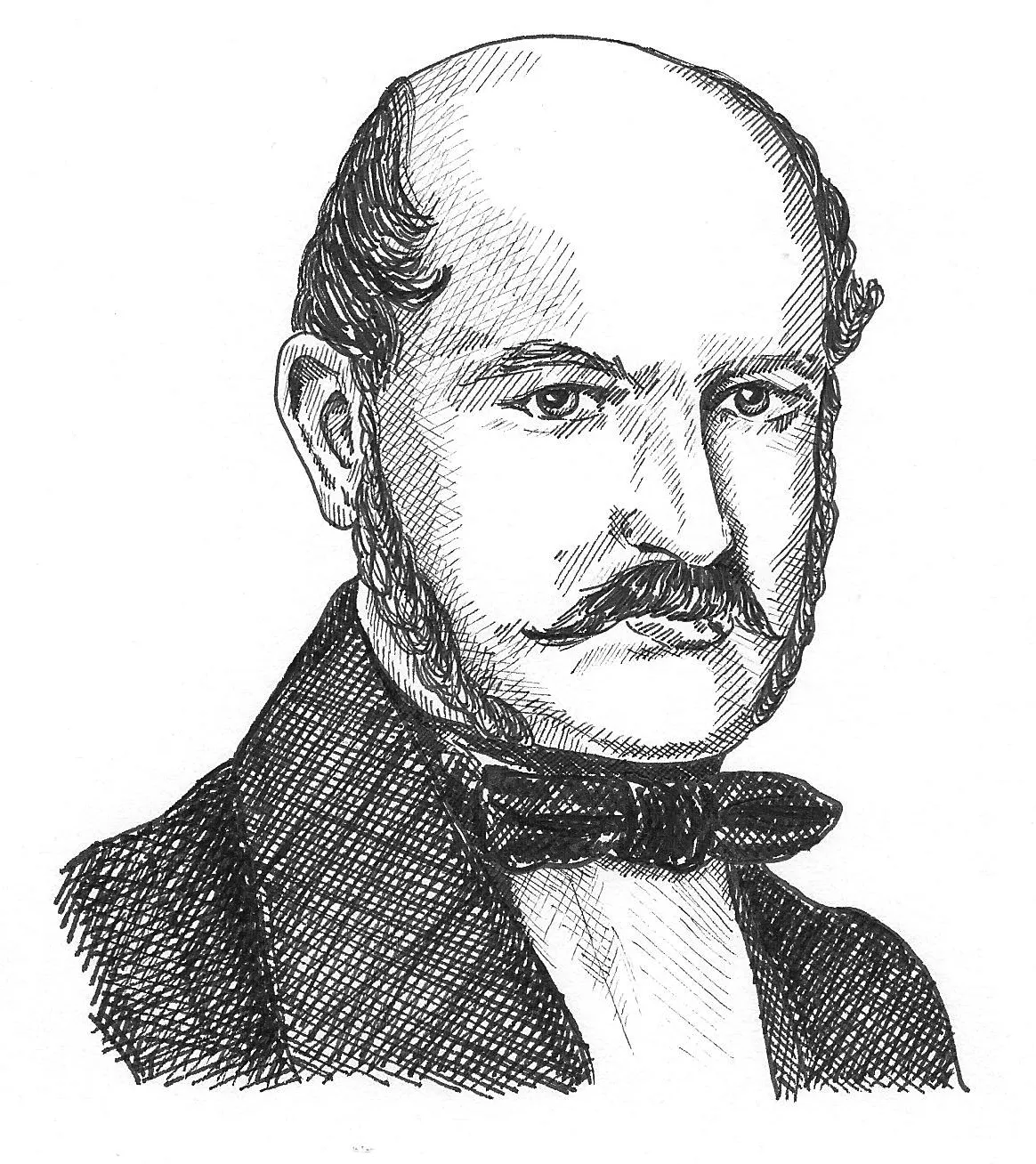 Photo: Ignaz Semmelweis, via www.amazingcareerinfo.com
When Semmelweis instituted mandatory hand disinfection with chlorinated lime solutions, maternal mortality rates plummeted from 18% to less than 2%. The medical establishment rejected his findings, and Semmelweis died in obscurity, vindicated only after germ theory gained acceptance decades later.
Modern hand hygiene campaigns have built on this foundation, teaching the proper duration (20 seconds), technique (scrub between fingers and under nails), and soap selection (antibacterial isn't necessary). These campaigns have been remarkably successful — most Americans now know the basics of effective handwashing.
But they missed something crucial.
The Step That Undoes Everything
Hospital-acquired infections affect 1.7 million Americans annually, killing more people than car accidents and homicides combined. Despite rigorous hand hygiene protocols, these infections persisted at frustrating rates, leading researchers to examine every aspect of the handwashing process.
Studies at the University of Westminster found that wet hands transfer bacteria up to 1,000 times more efficiently than dry hands. The research team tested various drying methods and discovered dramatic differences in bacterial transfer rates.
 Photo: University of Westminster, via www.siobhandoran.com
Paper towels reduced bacterial counts by 77% on fingertips and 87% on palms. Hot air dryers, by contrast, often increased bacterial counts, blowing dormant microbes off hands and redistributing them across skin surfaces. Jet air dryers performed even worse, creating aerosol clouds that spread bacteria throughout restroom environments.
The Mayo Clinic's infection control research confirmed these findings: healthcare workers who used paper towels maintained cleaner hands throughout their shifts compared to those using air dryers.
Why Air Dryers Became the Standard
If paper towels work better, why did air dryers become ubiquitous in public restrooms? The answer involves environmental concerns, cost calculations, and marketing that emphasized convenience over hygiene.
The environmental movement of the 1970s positioned air dryers as the eco-friendly alternative to paper waste. Cost-conscious facility managers embraced devices that eliminated ongoing paper supply expenses. Manufacturers marketed newer jet air dryers as hygienic improvements, emphasizing their touchless operation and faster drying times.
These arguments focused on theoretical benefits while ignoring real-world microbiology. The environmental calculations often overlooked the energy consumption of electric dryers and the hygiene benefits of actually removing bacteria from hands.
Meanwhile, public health messaging continued emphasizing soap and scrubbing while treating hand drying as an afterthought.
The Science Behind Bacterial Transfer
Moist environments allow bacteria to multiply rapidly and transfer easily between surfaces. When hands remain damp after washing, they become bacterial magnets, picking up microbes from door handles, faucets, and other surfaces touched during restroom exit.
Paper towels physically remove bacteria through friction and absorption. The mechanical action of rubbing hands with paper towels dislodges microbes that soap alone cannot eliminate. Absorbent fibers capture these bacteria, preventing recontamination.
Air dryers, regardless of their design, cannot provide this mechanical removal. Hot air may evaporate moisture, but it leaves bacteria clinging to skin surfaces. Jet air dryers compound the problem by creating turbulence that lifts bacteria from hand surfaces and disperses them into the surrounding environment.
Research published in Applied and Environmental Microbiology found that jet air dryers spread bacteria up to six feet from the device, contaminating nearby surfaces and potentially exposing other restroom users to pathogens.
The Hospital Industry's Quiet Response
As evidence mounted against air dryers, hospitals began quietly removing them from clinical areas. Infection control committees reviewed the research and concluded that paper towels significantly reduced healthcare-associated infections.
Major medical centers now specify paper towels in areas where hand hygiene critically impacts patient safety. The Centers for Disease Control updated its hand hygiene guidelines to emphasize proper drying techniques, though these recommendations haven't reached mainstream public health messaging.
Some hospitals have installed paper towel dispensers alongside existing air dryers, allowing healthcare workers to choose the more effective drying method even in retrofitted facilities.
What This Means for Your Daily Routine
The implications extend far beyond hospital settings. Every time you wash your hands — after using the restroom, before eating, when arriving home — the drying method determines whether you've actually removed bacteria or simply redistributed them.
If paper towels are available, use them. The friction of drying removes bacteria that washing alone cannot eliminate. If only air dryers are available, shake excess water from your hands before drying to minimize the moisture that facilitates bacterial transfer.
At home, replace cloth towels frequently or use disposable paper towels when hand hygiene is particularly important, such as during food preparation or when caring for sick family members.
The Public Health Message That Never Reached the Public
Hand hygiene research has revolutionized hospital infection control, but the findings remain largely unknown outside healthcare settings. Public health campaigns continue emphasizing washing duration and technique while ignoring the drying step that determines whether the entire process succeeds.
This knowledge gap represents a missed opportunity for preventing infections in schools, restaurants, offices, and homes. The same bacterial transfer mechanisms that affect hospital patients also impact everyone who touches contaminated surfaces after inadequate hand drying.
The solution requires updating public health messaging to reflect what microbiology research has conclusively demonstrated: effective hand hygiene doesn't end with soap and water. It ends with proper drying that physically removes the bacteria that washing loosened but didn't eliminate.
Semmelweis proved that handwashing saves lives. Modern research shows that hand drying determines whether those lives actually get saved.