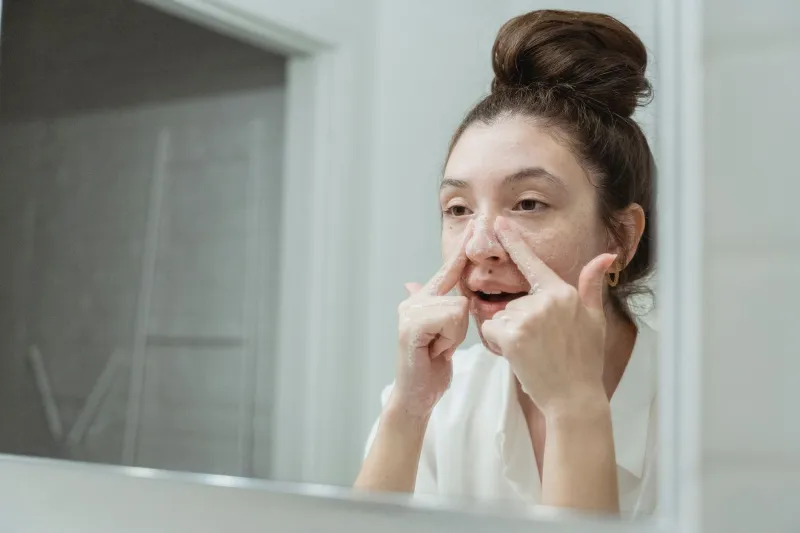
Traditional Medicine Created the Tongue Health Test — But Modern Doctors Look for Something Completely Different

The Ancient Art That Became Modern Myth
Walk into any doctor's office, and chances are they'll ask you to stick out your tongue. This simple action connects you to a diagnostic tradition stretching back over 3,000 years, when Chinese medicine practitioners developed intricate tongue maps linking color, texture, and coating patterns to specific organ systems.
But somewhere between ancient healing traditions and modern wellness blogs, the nuanced art of tongue diagnosis got reduced to a simple rule: pink means healthy, anything else means trouble.
That oversimplification misses what your doctor is actually looking for — and what your tongue can realistically tell you about your health.
What Traditional Medicine Actually Taught
Traditional Chinese Medicine developed tongue diagnosis as part of a comprehensive system involving pulse reading, symptom analysis, and constitutional assessment. Practitioners spent years learning to identify dozens of tongue variations: pale tongues suggesting cold conditions, red tongues indicating heat, thick white coatings pointing to dampness, and geographic patterns revealing specific organ imbalances.
Ayurvedic medicine developed parallel systems, linking tongue appearance to the three doshas and using coating patterns to guide herbal prescriptions. These weren't simple color charts — they were sophisticated diagnostic frameworks requiring extensive training to interpret correctly.
The "pink equals healthy" rule that circulates today represents a dramatic oversimplification of these complex traditional systems.
What Modern Doctors Actually Check
When your physician examines your tongue, they're not following ancient diagnostic maps. Instead, they're looking for specific clinical signs that modern medicine has validated through research.
Doctors check for oral thrush, the white patches caused by fungal overgrowth that can indicate immune system problems or antibiotic overuse. They look for geographic tongue, a harmless but distinctive pattern that affects about 2% of the population. They examine the tongue for signs of dehydration, vitamin deficiencies, or medication side effects.
Most importantly, they're screening for oral cancer. The American Cancer Society reports that tongue and mouth cancers affect about 54,000 Americans annually, and early detection dramatically improves outcomes. Your doctor is looking for unusual growths, persistent sores, or color changes that could signal malignancy.
 Photo: American Cancer Society, via sharecharlotte.org
None of this requires the complex pattern recognition of traditional tongue diagnosis. Modern physicians focus on clear, research-backed indicators rather than constitutional assessments.
The Wellness Industry's Simplified Version
Health blogs and wellness websites have created their own version of tongue diagnosis, typically featuring colorful charts linking tongue appearance to everything from liver toxicity to digestive problems. These simplified interpretations cherry-pick elements from traditional systems while ignoring the extensive training required to use them properly.
The result is a collection of health myths that sound authoritative but lack scientific backing. Claims that a white coating always indicates "toxin buildup" or that tongue color reliably predicts organ health simply don't hold up under clinical scrutiny.
Research published in the Journal of Traditional and Complementary Medicine found that while some traditional tongue diagnosis correlations show promise, the simplified versions circulating online often misrepresent both the original systems and current medical understanding.
What Your Tongue Actually Reveals
Your tongue can provide legitimate health information, but it's more limited than wellness sites suggest. Persistent white patches might indicate thrush, especially in people with diabetes or compromised immune systems. A bright red, swollen tongue could signal vitamin B12 deficiency. Deep cracks might suggest dehydration or certain genetic conditions.
However, tongue appearance varies enormously among healthy individuals. Some people naturally have more prominent taste buds, creating a "bumpy" appearance that means nothing medically. Others have geographic tongue patterns that look alarming but cause no health problems.
The American Dental Association emphasizes that while tongue changes can sometimes indicate health issues, they should always be evaluated by healthcare professionals rather than self-diagnosed using internet charts.
 Photo: American Dental Association, via images.seeklogo.com
Why the Myth Persists
The appeal of tongue diagnosis lies in its simplicity and immediacy. Unlike blood tests or imaging studies, checking your tongue requires no special equipment or medical training. It offers the illusion of insight into your health status using nothing more than a bathroom mirror.
Social media has amplified these simplified diagnostic rules, with wellness influencers sharing tongue photos and encouraging followers to self-diagnose based on color and coating patterns. The ancient origins of tongue diagnosis lend these claims an air of time-tested wisdom, even when they bear little resemblance to the original practices.
The Real Takeaway
Your tongue can provide valuable health information when interpreted correctly by trained professionals. But the simplified color-coding system popular in wellness circles oversells both the reliability and the scope of tongue-based diagnosis.
If you notice persistent changes in your tongue's appearance, texture, or sensation, mention them to your healthcare provider. They can distinguish between normal variations and signs that warrant further investigation.
Just remember that the pink-equals-healthy rule represents a dramatic oversimplification of both ancient wisdom and modern medical knowledge. Your tongue might be telling a story about your health — but it's probably not the story you'd read in those colorful online charts.